


Hong Kong
Vietnam
Philippines
Singapore
Thailand
Japan
UAE
Egypt
China
South korea
Malaysia





Planning a successful conference requires more than just booking a venue and scheduling sessions. Event planners need to understand the different conference types and how each format can best serve their goals.
In this guide, we break down the main types of conferences and provide practical insights to help you select and plan your event. Keep reading to discover how to make your next conference well-structured for your audience.
A conference is a formal gathering of individuals with a shared interest, typically organised around a specific topic, industry, or profession. It provides a structured environment where participants can exchange knowledge, share insights, and network with peers, experts, or stakeholders.
The purpose of a conference can vary widely, and it often includes:
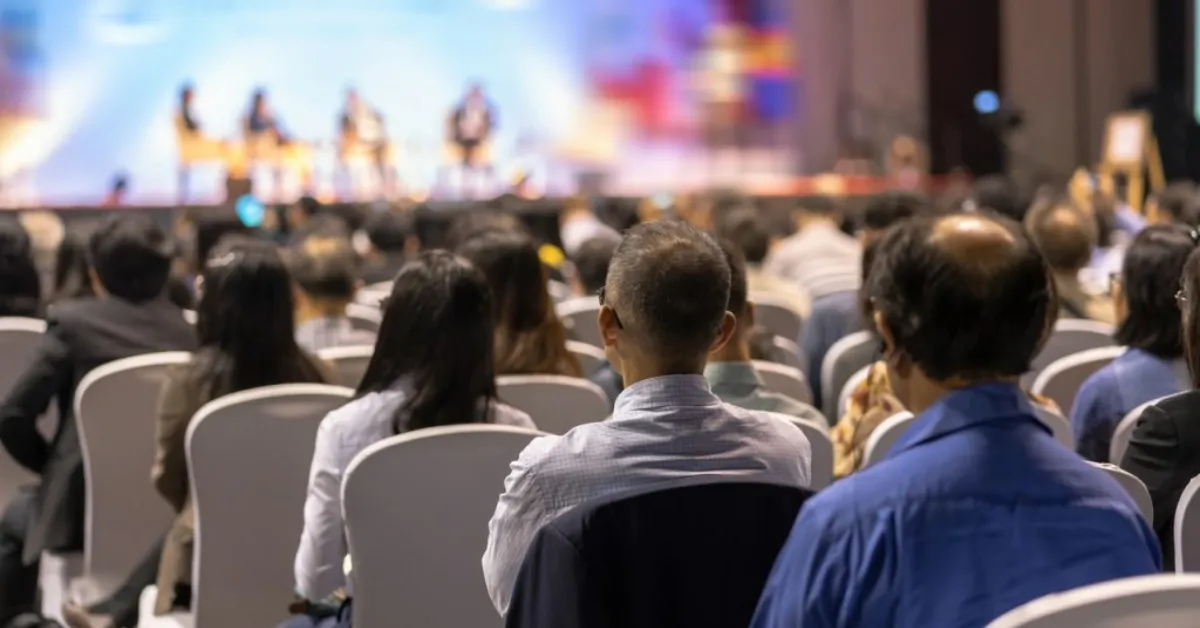
Understanding what a conference entails and its purpose is essential for event planners. This knowledge helps you align the event format with your objectives and create a valuable experience for both organisers and attendees.
Conferences come in a variety of formats, each designed to serve specific goals. Understanding the main types of conferences helps event planners select the format that best aligns with their objectives.
Academic or scientific conferences are primarily focused on the presentation and discussion of research findings within a specific field or discipline. They provide a platform for scholars, researchers, and students to share original research, exchange ideas, and receive feedback from peers and experts.
These conferences often feature oral presentations, poster sessions, panel discussions, and keynote speeches from leading experts. Attendees benefit from staying up-to-date with the latest developments, building professional networks, and fostering collaborations that can advance their research or academic careers.

For event planners, organising an academic conference requires attention to content quality, session scheduling, and providing opportunities for meaningful interaction between presenters and participants.
Industry or trade shows are conferences designed to bring together professionals from a specific sector to showcase products, services, and innovations. These events focus on business development, networking, and market visibility, allowing companies to connect with potential clients, partners, and industry experts.
Trade shows typically feature exhibition booths, product demonstrations, keynote sessions, and panel discussions. Attendees gain insights into industry trends, discover new solutions, and explore opportunities for collaboration or sales.
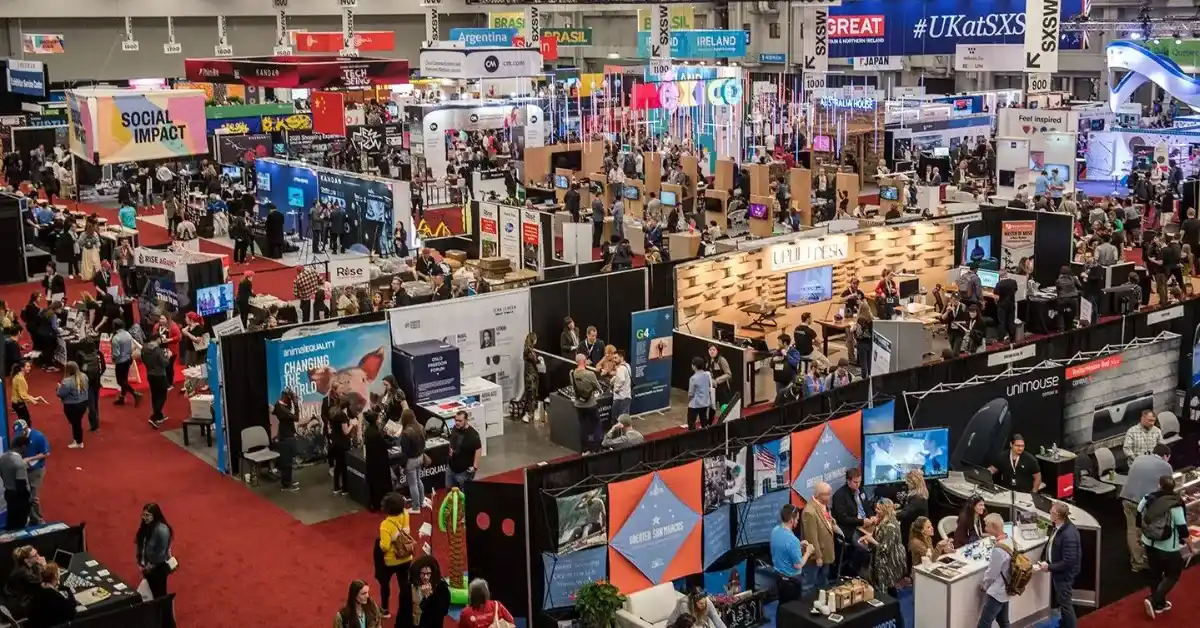
Organising an industry conference involves coordinating exhibition spaces, managing vendor participation, and ensuring that networking opportunities are maximised to deliver tangible value for both exhibitors and attendees.
Corporate or business conferences are typically organised by companies to align teams, share strategies, and support professional development. They may be internal, aimed at employees and stakeholders, or external, targeting clients, partners, or industry peers.
These conferences often include strategy sessions, leadership training, product launches, and annual meetings, combining information sharing with opportunities for networking and team building.

Successfully organising a corporate conference requires careful scheduling, attention to branding, and creating engaging experiences that reinforce the company’s objectives while keeping attendees motivated and informed.
Workshops and seminars are smaller, more interactive sessions designed to develop practical skills or provide in-depth exploration of specific topics. Unlike large conferences, these events emphasise audience participation, hands-on learning, and direct engagement with experts.

Workshops and seminars typically feature interactive elements such as practical activities, real-world examples, and open discussions, allowing participants to put new ideas into practice during the session itself.
Planning these events requires careful attention to session structure, participant engagement, and facilitator expertise to ensure a meaningful and productive experience.
Virtual and hybrid conferences combine online and in-person participation, allowing events to reach a wider audience. They can include live-streamed sessions, webinars, virtual networking, and on-demand content.
Organising these conferences involves selecting reliable technology platforms, coordinating time zones, and designing interactive experiences that keep remote attendees engaged alongside those attending in person.
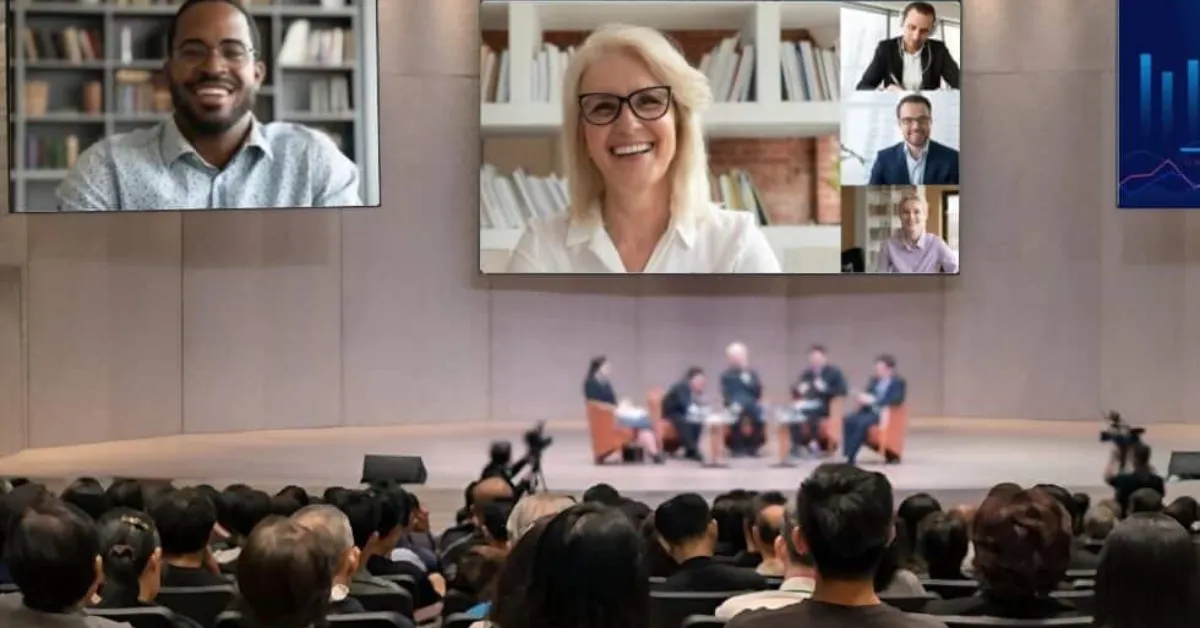
Once you are familiar with these five conference types, you can better determine which format suits your audience, goals, and resources. Each type offers unique benefits, and knowing the distinctions ensures your event is both effective and engaging.
In addition to the main conference types, there are several other formats that serve specific purposes or audiences. These formats may be smaller in scale or more specialised, but they can be highly effective depending on your objectives:
Understanding these additional types of conferences allows event planners to choose a structure that aligns precisely with their goals and audience.
Selecting the right type of conference is essential to achieving your event goals and providing value to attendees. The decision should be guided by a combination of objectives, audience, budget, and content format:
By evaluating these factors, you can match your goals with the conference type that maximises impact for all participants.
Organising a successful conference can be challenging, from selecting the right format to managing logistics, content, and attendee engagement. Dream Station provides end-to-end conference planning services, helping you create a seamless and impactful event that aligns perfectly with your goals.
Our team works closely with you to choose the suitable conference type, design engaging programmes, and handle every aspect professionally. Whether your event is a corporate conference, trade show, or workshop, Dream Station delivers customised solutions that maximise participation and engagement.
By partnering with us, you can focus on your content and attendees while we manage the logistics and overall experience, ensuring your conference leaves a lasting impression on every participant.
Understanding the different conference types and their purposes is essential to plan an event that meets objectives. Each conference format brings its own strengths, supporting different goals such as knowledge sharing or relationship building. If you need expert support, discover our conference services to ensure your event is planned with clarity, structure, and impact.



We’ll get back to you as fast as we can with availability and next steps.
"*" indicates required fields

Hong Kong
Vietnam
Philippines
Singapore
Thailand
Japan
UAE
Egypt
China
South korea
Malaysia

OUR GLOBAL PRESENCE