


Hong Kong
Vietnam
Philippines
Singapore
Thailand
Japan
UAE
Egypt
China
South korea
Malaysia





Corporate event planning can be both exciting and challenging. From defining clear objectives and managing budgets to designing engaging programmes, every detail matters to ensure your event achieves its goals. Whether you are organising an internal training or a company-wide celebration, understanding the step-by-step process is essential.
In this guide, we break down how to plan a corporate event in 11 actionable steps and highlight common challenges to help you deliver a memorable event for attendees and stakeholders.
Corporate event planning helps design, coordinate, and deliver business-related events that support an organisation’s objectives. While simple on the surface, it covers far more than booking a venue or arranging logistics.
Effective planning matters because corporate events involve multiple stakeholders, business expectations, technical requirements, and tight timelines. Whether you are organising a conference, a team-building retreat, or an internal celebration, each event must achieve a specific purpose.

A well-planned corporate event integrates creative design, operational discipline, budget control, vendor management, and on-site execution. Understanding the full scope of corporate event planning enables teams to anticipate challenges, manage resources effectively, and deliver successful events.
Corporate events can vary widely in purpose, but they are often easier to plan when grouped by size. Understanding the scale of your event helps you anticipate budget requirements, logistics, and technical needs:
This classification helps you quickly identify the level of planning, resources, and expertise your event may require. If you need a fuller breakdown, explore different types of corporate events for more context.
Planning a corporate event requires a structured approach to manage objectives, logistics, vendors, and on-site execution effectively. The 11 steps below outline a clear, practical framework you can follow for corporate events of any size. Use them as a roadmap to plan with confidence and stay in control at every stage.
Every successful corporate event begins with a clear understanding of why the event is taking place. Without agreed objectives, your corporate event planning process becomes reactive and difficult to align across stakeholders.
Start by identifying the primary purpose of your event. Clarifying the intended audience and the outcomes you want them to experience will help you design a programme that delivers impact.

Next, translate your objectives into measurable indicators of success. These could include attendance, engagement levels, feedback scores, lead quality, or internal satisfaction. Establishing these metrics early makes it easier to evaluate performance and improves how you measure corporate event success later on.
Your budget is the framework that shapes every aspect of your corporate event, so establishing it early is essential.
Begin by identifying the major cost categories relevant to your event type and scale. These typically include venue hire, catering, production and AV, event technology, content development, marketing, staffing, travel and accommodation, and contingency reserves.
Once you have a complete view of potential expenses, allocate funds based on priority and impact. High-value elements that directly contribute to your event objectives should receive proportionally more resources. At the same time, be realistic about fixed costs, vendor minimums, and internal resource constraints.
Finally, build in a buffer for unexpected changes, such as last-minute registration increases, technical needs, or programme adjustments. A well-structured, transparent budget not only keeps your planning process on track but also accelerates stakeholder approvals.
Selecting the appropriate format and theme sets the entire experience, shaping how participants engage and how your key messages are delivered. Start by evaluating which format best supports your objectives. Consider factors such as expected attendance, required interaction levels, and the type of content you need to communicate.
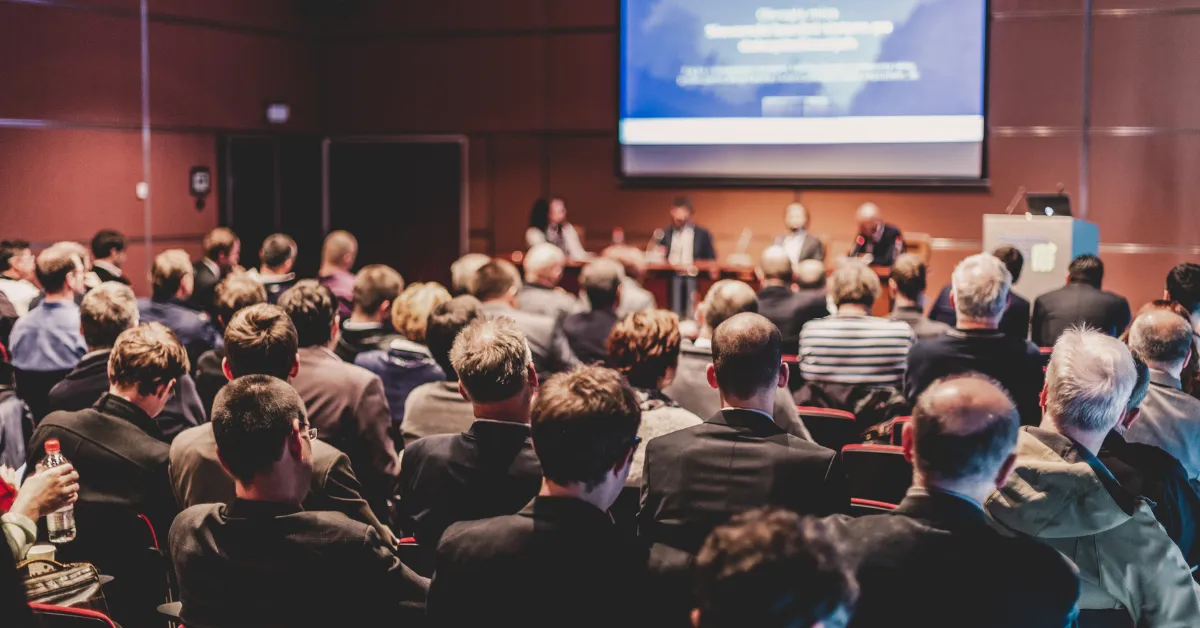
Once the format is defined, develop a cohesive theme that anchors your narrative and helps attendees understand the purpose of the event at a glance. Your theme should reflect your organisational identity, resonate with your audience, and guide decisions on venue styling, content framing, and on-site activities.
A well-structured planning timeline ensures every workstream progresses in sync and reduces the risk of last-minute issues.
Start by mapping all major milestones such as venue booking, speaker confirmations, vendor contracting, and attendee registration based on the scale and complexity of your event. Assign clear owners, deadlines, and dependencies so your team understands how each activity contributes to the overall critical path.
Break the timeline into manageable phases, typically covering long-lead planning (three to six months out), mid-stage coordination (one to three months out), and final execution (final four weeks). This phased approach provides clarity, helps you prioritise resources, and enables more accurate tracking.
Choosing the right corporate event venue is one of the most influential decisions as it determines the overall environment, attendee flow, technical feasibility, and cost structure.
Begin by defining your core requirements: expected attendance, preferred location, event format, and any must-have facilities. From there, create a shortlist of venues that meet both your functional needs and your desired event experience.
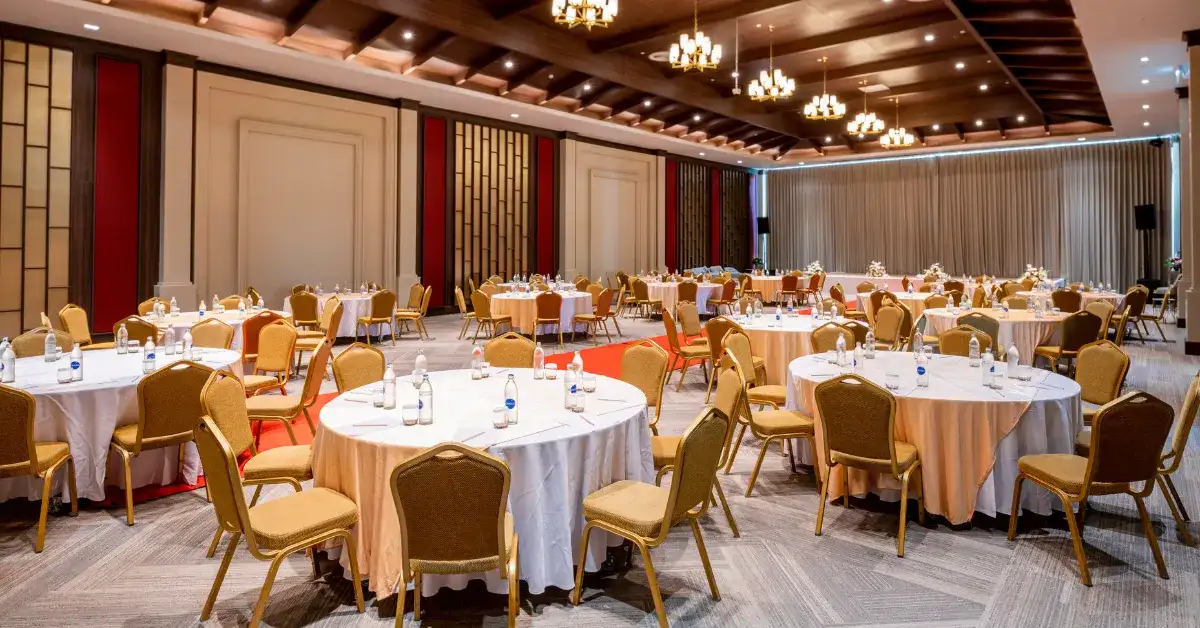
Conduct site visits to assess layout, ambience, wayfinding, acoustics, and the venue’s existing AV and lighting infrastructure. This helps you identify potential production challenges early, such as rigging limits, power access, or noise constraints.
Once you have selected your preferred venue, proceed with a structured negotiation covering rental fees, technical support, insurance, cancellation terms, and overtime charges. Finalise the contract only after all requirements, restrictions, and responsibilities are clearly documented to avoid surprises during production.
Technical and production planning ensures your event runs smoothly and delivers the level of professionalism your audience expects. Translate your event format, theme, and programme into specific requirements for audio-visual systems, lighting, staging, content playback, and on-site control operations.
Next, work with your production team or AV partner to design a technical setup that supports both the attendee experience and the flow of your programme. This may include stage design, lighting cues, projection, rigging requirements, camera placements, and any interactive technologies. Ensure these plans factor in venue limitations, rehearsal needs, and safety considerations.
Once the core setup is defined, outline your showflow from start to finish, including transitions, content cues, technical handovers, and contingency plans for unexpected issues. Document all requirements clearly and confirm responsibilities across the planning team, venue, and technical partners.
Most corporate events rely on a network of specialised vendors to deliver a seamless experience, so this stage is about securing the right partners and aligning them with your event goals.
Start by identifying all vendors required for your format such as catering, audio-visual production, media, décor, entertainment, or registration technology. Prioritise vendors based on your must-have services, lead times, and budget allocations.
Request detailed quotations that outline scope, deliverables, staffing, equipment, and on-site responsibilities. This helps you compare proposals accurately and avoid gaps that could lead to unexpected costs.
Once you select your preferred partners, conduct a clear onboarding process: share your event objectives, programme flow, venue constraints, and any technical or operational requirements they must meet.
Finalise your agreements with structured contracts that specify timelines, service levels, payment terms, contingency plans, and point-of-contact details. From here, establish a communication rhythm with all vendors to ensure everyone remains aligned as the event approaches.
Your event content and programme flow determine how effectively your messages are delivered and how engaged your audience will remain throughout the event.
Begin by outlining the key messages or themes you want participants to take away, then map these to appropriate content formats. Ensure each segment has a clear purpose and supports the broader event objectives defined earlier.

Once the content framework is set, structure your programme flow with logical sequencing and timing. Consider energy levels, attention spans, stakeholder priorities, and operational requirements when placing each segment.
For example, high-impact content often works best at the start, while networking or experiential activities may fit better later in the schedule. Build in adequate buffers for transitions, speaker preparation, and audience movement between spaces.
Coordinate closely with speakers, facilitators, and internal stakeholders to refine their session outlines, presentation materials, and technical needs. Align these details with your production team so that content playback, stage cues, and transitions are executed smoothly on-site.
Effective registration, marketing, and communications are essential for driving attendance and ensuring participants arrive informed and prepared.
Select a registration system that suits your event’s size and complexity. Establish what attendee information you need to collect and ensure your data fields, consent settings, and follow-up workflows are configured correctly.
Next, develop a marketing plan aligned with your audience profile and event objectives. Use a mix of channels such as email, social media, internal platforms, paid advertising, or direct outreach. Your messaging should clearly articulate the value of attending, highlight key content or speakers, and provide straightforward instructions on how to register.
Once registrations begin, maintain a structured communication flow. Send timely confirmations, pre-event reminders, agenda updates, logistics details, and any required preparation materials. For internal or invite-only events, coordinate messaging with relevant departments to ensure consistency and accuracy.
On-site coordination is where all planning translates into real-time delivery, making this stage critical to the success of your corporate event.
Begin with a structured run-through before doors open: oversee venue setup, verify technical installations, test audio-visual systems, and ensure signage, registration areas, and staging are aligned with your plans.
Conduct a briefing with your internal team, vendors, and crew so everyone understands responsibilities, timing, escalation points, and any last-minute updates.
Once the event begins, manage the programme using a detailed showflow that includes session timings, content cues, speaker movements, and technical transitions. Stay in close communication with your production team, venue staff, and key vendors to resolve issues quickly and maintain a seamless experience for attendees.
As the event progresses, anticipate potential challenges such as timing overruns or equipment adjustments, and use your contingency plans to respond effectively. After the programme concludes, oversee breakdown, ensure all rental equipment is accounted for, and confirm that the venue is returned according to contract requirements.
A structured post-event evaluation allows you to understand whether your corporate event achieved its intended objectives and where improvements can be made for future programmes.
Begin by collecting quantitative and qualitative feedback through surveys, stakeholder interviews, attendance reports, engagement metrics, and technical performance summaries. Compare these insights against the success metrics you defined during the planning stage to assess overall effectiveness.

Next, consolidate findings into a clear evaluation report that outlines achievements, challenges, and recommendations. Review this with internal stakeholders and key vendors to identify operational refinements, content improvements, or changes needed for future events.
Finally, complete all follow-up actions, including thank-you communications to attendees and speakers, sharing session materials or recordings, and fulfilling any sponsorship or partner commitments. Proper follow-up strengthens relationships, reinforces your event’s key messages, and lays the groundwork for stronger engagement in subsequent events.
With these 11 steps, you have a clear framework for planning and executing a successful corporate event. However, even with a structured process in place, real-world execution often comes with unexpected complexities. It is important to understand the common challenges that event planners typically encounter and how to navigate them effectively.
Even well-structured corporate events can encounter obstacles that impact timelines, budgets, and overall execution. Many of these challenges stem from shifting stakeholder expectations, operational constraints, or unforeseen external factors. Understanding the most common issues allows planners to anticipate risks early and build stronger mitigation strategies.

Recognising these challenges early helps planners stay proactive, refine their processes, and develop a more comprehensive approach.
A structured checklist helps ensure no critical element is overlooked during the planning and execution of your corporate event. Use the list below as a practical reference to guide your workflow from early planning through to post-event follow-up:
This checklist gives planners a structured foundation while still allowing flexibility to adapt to different event formats, team structures, and organisational needs.
Not every corporate event requires external support, but certain situations call for the expertise of a professional event management company. If your event involves complex logistics, multiple program elements, high attendee volume, or limited internal bandwidth, engaging an experienced team can help you minimise risks and ensure smooth, high-quality execution.
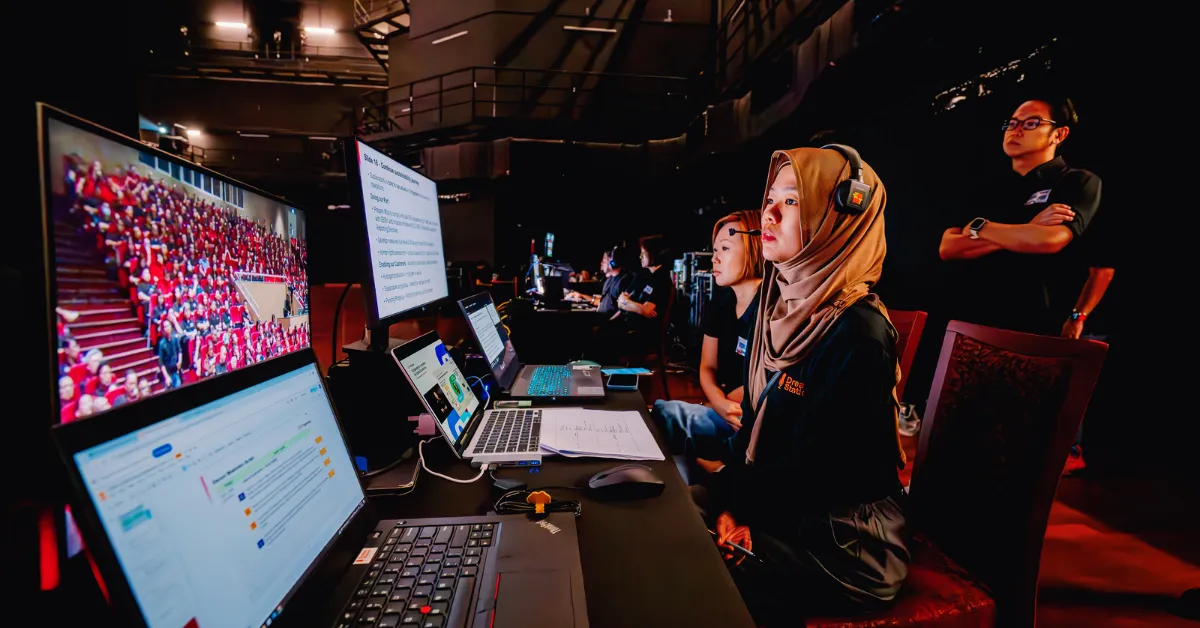
Professional teams also provide structured project management, established vendor networks, and the technical expertise needed to deliver a polished, high-impact experience. Working with the right partner ensures that every element is handled with precision while freeing your team to focus on strategy and stakeholder engagement.
As a full-service corporate event management company, Dream Station provides end-to-end support, helping organisations deliver impactful, professionally executed events with confidence. We serve as an extension of your team to elevate your event’s quality, efficiency, and overall attendee experience.
Corporate event planning is a complex, multi-layered process that requires careful coordination across objectives, budget, logistics, content, and on-site execution. By following our 11-step framework outlined above, you can minimise risks and ensure your event achieves its intended outcomes.
For organisations seeking to reduce operational pressure and deliver professional events, partnering with a trusted corporate event management company like Dream Station can make all the difference. We offer end-to-end services, supporting everything from concept development to on-site execution. Contact us today to plan an corporate event that meets your objectives with precision.



We’ll get back to you as fast as we can with availability and next steps.
"*" indicates required fields

Hong Kong
Vietnam
Philippines
Singapore
Thailand
Japan
UAE
Egypt
China
South korea
Malaysia

OUR GLOBAL PRESENCE