


Hong Kong
Vietnam
Philippines
Singapore
Thailand
Japan
UAE
Egypt
China
South korea
Malaysia





Selecting the right corporate event venue is one of the most important decisions in the event planning process. The venue sets the tone, influences attendance, and determines how smoothly your event runs. The right space must support both your objectives and your audience.
In this guide, we break down the key factors to evaluate, how to run an effective site visit, and smart booking and negotiation strategies. Read on to learn how to choose a venue with confidence and avoid costly planning mistakes.
A corporate event venue is more than just a place to host your event. It plays a critical role in shaping the overall experience, from first impressions to attendee engagement and operational flow. The right venue supports your event objectives, while the wrong one can create avoidable challenges.
Choosing the right corporate event venue helps you:
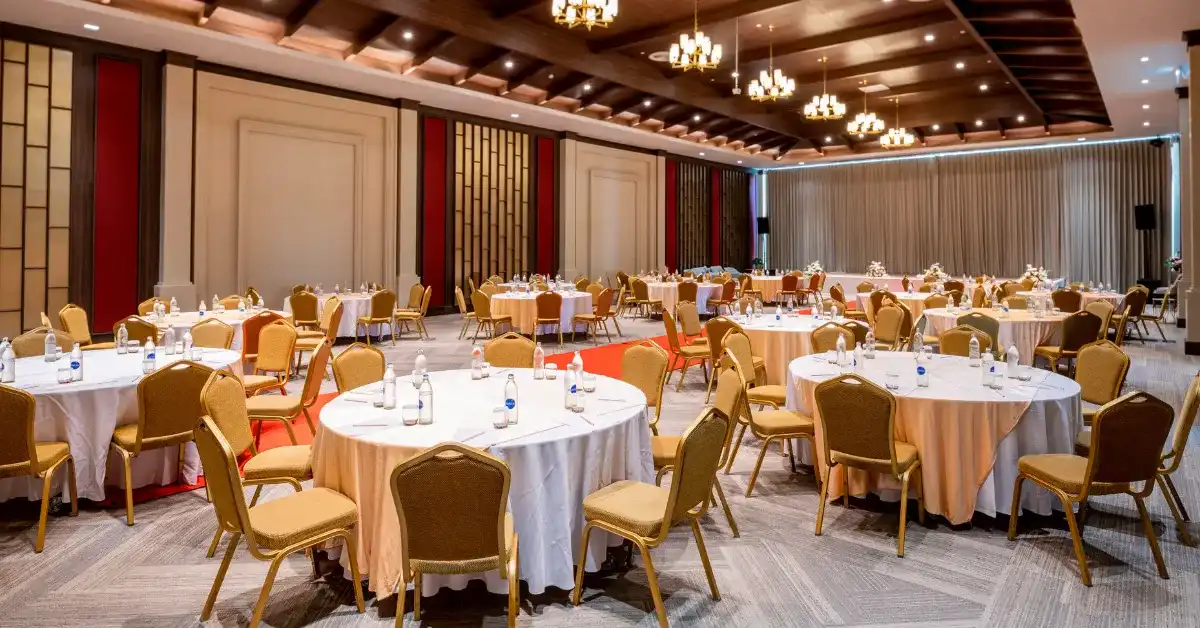
For example, venues with poor acoustics or limited breakout spaces often lead to disengaged audiences and disrupted sessions. In contrast, a well-matched venue enhances participation, reinforces your message, and maximises the return on your event investment.
Selecting the right venue for your corporate event involves more than availability and price. Each decision affects the attendee experience, event flow, and overall success. The following key factors will help you evaluate corporate event venues and choose one that aligns with your goals, budget, and audience.
Location is often the first filter when evaluating corporate event venues, and for good reason. A venue that is easy to reach increases attendance, reduces stress, and sets a positive tone from the start. Even the best-designed event can suffer if guests struggle with travel or directions.
When assessing location, consider:
Accessibility also affects punctuality. Venues located in congested areas or far from transport hubs often see late arrivals, which can disrupt agendas and reduce engagement. For full-day conferences or executive meetings, a central or well-connected location helps maintain energy and focus throughout the programme.
Finally, think about perception. A prestigious business district may reinforce a premium brand image, while a relaxed suburban venue may suit internal team events. The right location should support both practical needs and the message your event aims to deliver.
Choosing a venue with the right capacity is about more than fitting people into a room. Comfort, movement, and flexibility all influence how attendees experience your event. Overcrowded spaces feel chaotic, while oversized venues can feel empty and disengaging.
Key questions to ask include:
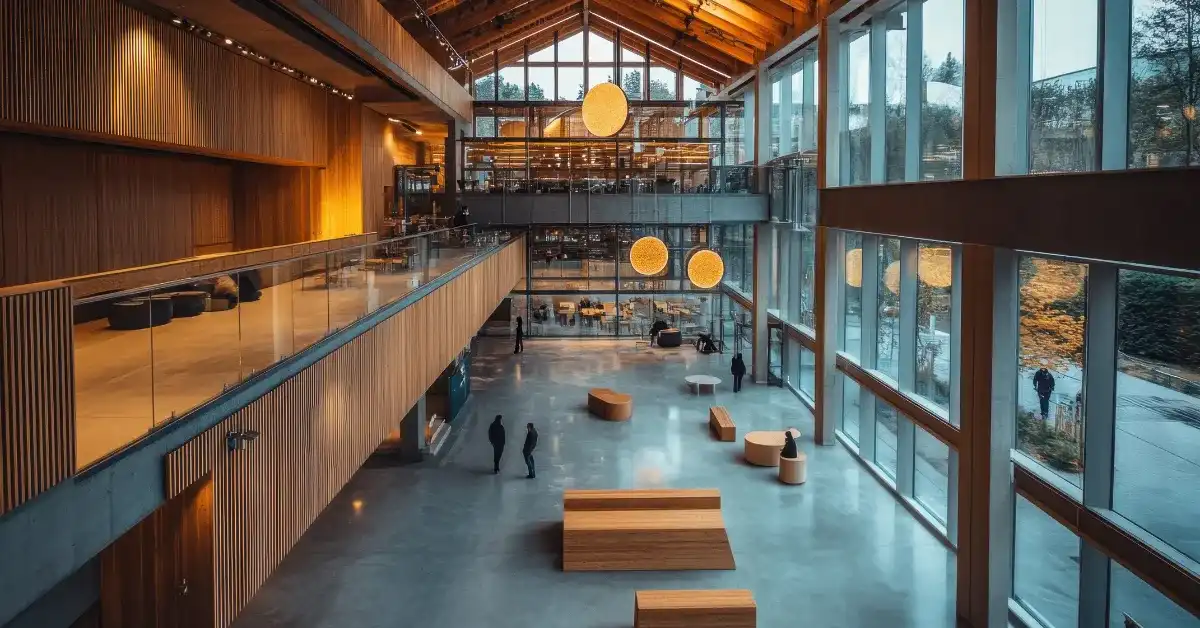
Layout flexibility is especially important for corporate events with varied agendas. A product launch may need an open space for demonstrations, while a seminar may require clear sightlines and focused seating. Venues that offer movable walls, modular furniture, or multi-purpose rooms allow you to adapt the space to your programme.
For example, companies hosting town halls often benefit from venues that can quickly transition from presentations to networking sessions. A well-sized, adaptable venue improves flow, encourages interaction, and helps your event feel purposeful rather than constrained.
Budget control is a major concern when selecting corporate event venues. While headline rental rates may look attractive, hidden costs can quickly push spending beyond expectations. Transparent pricing allows you to plan accurately and avoid last-minute surprises.
When reviewing costs, look beyond the base fee and clarify:
Some venues offer bundled packages that include AV, catering, and staffing, which can simplify planning and reduce coordination time. Others charge each service separately, giving more flexibility but requiring closer cost management.
It is also worth understanding payment terms, cancellation policies, and deposit requirements. Corporate events are investments, and clear pricing helps protect that investment. A venue that is open and detailed about costs is often easier to work with and more reliable throughout the planning process.
Technology plays a central role in modern corporate events. From presentations and panel discussions to hybrid meetings and live streaming, reliable AV systems are essential for clear communication and engagement.
When evaluating corporate event venues, assess their technical readiness. Start by reviewing the quality of the sound system, microphones, and speakers to ensure clear audio throughout the space. Screen size, resolution, and visibility from all seating areas are equally important, as poor sightlines can reduce audience engagement.
Reliable internet speed and stability are also essential, particularly for live demonstrations, hybrid events, or virtual attendees. In addition, confirm the availability of on-site technical support to resolve issues quickly and keep the event running smoothly.
A common issue at corporate events is poor audio, which quickly leads to disengagement. Venues with built-in soundproofing, professional-grade equipment, and experienced technicians significantly reduce this risk.
If your event includes remote speakers or live broadcasting, confirm that the venue can support hybrid formats. Testing equipment in advance is strongly recommended. Strong AV capabilities ensure your message is delivered clearly and professionally, reinforcing credibility and reducing operational stress on the event day.
Food and refreshments directly affect attendee satisfaction, energy levels, and overall perception of your event. Poor catering can overshadow even the strongest content, while well-planned meals enhance the experience.
Consider the variety and quality of the menu, as food plays a key role in attendee satisfaction and energy levels. The venue should be able to accommodate common dietary requirements, including vegetarian, halal, and allergy-friendly options. In addition, assess the timing and flow of meal service, as poorly managed catering can lead to long queues and disrupt the event schedule.

Some corporate event venues offer in-house catering, which simplifies coordination and ensures familiarity with the space. Others allow external caterers, giving more flexibility for themed or branded menus.
Refreshments also matter during long sessions. Regular coffee breaks and light snacks help maintain focus and encourage informal networking. For client-facing events, catering quality reflects your organisation’s professionalism.
Strong on-site amenities can make event planning smoother and improve the attendee experience. These services reduce the need for external vendors and help your event run more efficiently. Useful amenities to look for include:
Venues with experienced on-site teams can assist with logistics, timing, and problem-solving on the day. This is particularly valuable for complex corporate events with tight schedules.
Additional services such as signage support, cleaning staff, and security coordination also contribute to a seamless experience. A venue that offers comprehensive amenities allows your team to focus on content and engagement rather than operational issues.
Safety should never be an afterthought when choosing corporate event venues. A secure environment protects attendees, staff, and your organisation’s reputation.
Key areas to assess include the venue’s fire safety systems and clearly defined evacuation procedures. You should also review crowd control measures and the presence of trained security personnel, particularly for large or high-profile corporate events. In addition, confirm that the venue complies with local regulations and adheres to capacity limits to ensure a safe event environment.

Ask venues about their emergency response plans and past experience handling large or high-profile events. Corporate clients increasingly expect venues to demonstrate clear safety standards.
For events involving senior executives or confidential discussions, privacy and access control are also important. A venue that prioritises safety and compliance creates confidence for organisers and attendees alike.
Accessibility is a critical factor in creating inclusive corporate events. A venue should accommodate attendees of all abilities, ensuring everyone can participate comfortably. Consider whether the venue provides:
Inclusivity also extends to neurodiverse attendees. Quiet areas, clear layouts, and controlled lighting can make a significant difference.
Choosing accessible corporate event venues is not only a legal consideration but also a reflection of your organisation’s values. Inclusive spaces foster wider participation and demonstrate respect for diverse audiences.
The look and feel of a venue influence how attendees perceive your event and brand. Ambiance sets the emotional tone before any presentation begins.
When assessing ambiance, consider how natural light and ceiling height influence the mood and comfort of the space. Pay attention to the interior design and colour schemes, as these should align with the tone of your corporate event and brand image. Cleanliness and overall condition are equally important, reflecting professionalism and attention to detail.
Branding opportunities are equally important. Venues that allow customised signage, digital displays, or branded backdrops help reinforce key messages. For example, product launches benefit from spaces that allow full visual control.
The venue’s style should align with your event purpose. A formal leadership forum requires a different atmosphere than a creative team workshop. Matching ambiance to intent strengthens brand consistency and impact.
No two corporate events are the same, which makes flexibility a valuable asset. Venues that are willing to adapt often deliver better outcomes and smoother collaboration.
Venue flexibility and customisation may include the ability to adjust room layouts or event schedules to suit your programme and audience flow. In addition, support for rehearsals or early access can be valuable. It gives speakers and organisers time to test equipment, refine transitions, and ensure the event runs smoothly.

Customisation is especially important for branded experiences or unique event formats. Venues that understand corporate needs are more likely to accommodate specific requests without friction.
Clear communication about what is possible helps avoid misunderstandings. A flexible venue acts as a partner rather than just a supplier, contributing to a more successful event.
A venue’s reputation provides insight into reliability, service quality, and overall professionalism. Past performance is often the best indicator of future success.
Take time to read reviews from corporate clients to understand service quality and reliability. Asking for case studies or client references can provide deeper insight into how the venue supports different event formats and handles challenges.
It is also helpful to review past events similar to yours. This demonstrates the venue’s experience in delivering successful corporate events with comparable scale and objectives.
Venues with a strong track record are usually better prepared to handle challenges and last-minute changes. They understand corporate expectations and deliver consistent results.
Choosing a reputable venue reduces risk and builds confidence among stakeholders. It also reflects positively on your organisation, showing that you prioritise quality and experience in every detail of your event.
By carefully reviewing these eleven factors, you can evaluate corporate event venues in a structured and practical way. Each consideration, from location to reputation, plays a role in shaping the attendee experience and the overall success of your event. Taking the time to assess venues holistically will help you make confident decisions and avoid costly compromises later.
A site visit is one of the most important steps when evaluating a corporate event venue. Photos and floor plans can be misleading, so seeing the space in person helps you identify risks early and avoid costly mistakes later.
During your site visit, evaluate the venue as if your event were taking place that day. Key areas to assess include:
Equally important is asking the right questions. Clarify what is included in the base hire fee, when you can access the space for setup, and whether there are restrictions on vendors, décor, or event timings.

Also, ask about cancellation or postponement policies, technical backup plans, and on-site staffing levels. Request to see the venue set up for a similar event or examples of past corporate clients. Watch for red flags such as vague answers about costs, poor upkeep, inflexible contracts, or exaggerated claims about capabilities.
A thorough site visit ensures the venue can truly support your event goals and deliver a smooth, professional experience.
Securing the right corporate event venue is not only about selection, but also about timing and negotiation. Booking early gives you more options and stronger leverage, particularly for popular venues.
As a general guide, small corporate events should be booked three to six months in advance, while large conferences or multi-day events often require six to twelve months. Peak seasons such as year-end tend to fill up quickly and command higher rates, whereas off-peak dates offer better availability and flexibility.
When negotiating, focus on overall value rather than just the headline price. Many venues are open to bundling services such as AV, catering, and staffing into a single package, which can reduce total costs.
You can also request complimentary inclusions like parking, Wi-Fi, extended setup hours, or additional rehearsal time. Organisations planning multiple events or recurring bookings often have stronger bargaining power, especially when committing to weekday or off-season dates.

Before signing any agreement, review the contract carefully. Pay close attention to cancellation and postponement terms, force majeure clauses, and payment schedules. Ensure you clearly understand what is included in the venue hire and which services incur additional charges. Liability, insurance requirements, and procedures for making changes should also be clearly defined.
Finally, ensure all negotiated terms are documented in writing. Clear contracts reduce risk, protect your budget, and help ensure a smooth working relationship with your chosen venue.
Before making your final decision, use this checklist to confirm that the corporate event venue meets your essential requirements. A structured review helps avoid emotional decisions and ensures no critical detail is overlooked.
Using this checklist as a final filter helps you select a venue that delivers a strong foundation for a successful corporate event.
Choosing the right corporate event venue is a strategic decision that directly impacts overall event success. By carefully evaluating key factors and conducting thorough site visits, you can reduce risk and create a seamless experience for your audience. If you need expert guidance at any stage, our corporate event management team is here to help you deliver events with confidence and precision.



We’ll get back to you as fast as we can with availability and next steps.
"*" indicates required fields

Hong Kong
Vietnam
Philippines
Singapore
Thailand
Japan
UAE
Egypt
China
South korea
Malaysia

OUR GLOBAL PRESENCE