


Hong Kong
Vietnam
Philippines
Singapore
Thailand
Japan
UAE
Egypt
China
South korea
Malaysia





Planning a corporate event often means balancing high expectations with limited resources. Getting the corporate event budget right can determine whether an event delivers real value or becomes a source of stress.
This guide is designed to help internal teams and event planners understand how to plan, manage, and optimise event budgets. You will learn what costs to expect, how to build a budget, common mistakes to avoid, and practical ways to maximise spend. Read on to take control of your event budget and plan smarter from the start.
Planning a corporate event often comes with a familiar tension: expectations are high, timelines are tight, and budgets are under constant scrutiny. Internal teams are asked to deliver memorable experiences that engage people and support business goals. At the same time, finance stakeholders expect clear cost control and measurable return.
This is where a well-structured corporate event budget becomes essential, not optional. Without a clear budget framework, costs can escalate quickly. According to industry benchmarks, contingency and “unplanned” costs can account for 10–15% of total event expenditure when not actively managed.

More importantly, an event budget plays a strategic role beyond cost tracking. When planned properly, it helps teams to:
In short, effective budgeting gives planners control, credibility, and confidence. It turns financial constraints into informed decisions, helping teams deliver impactful events without compromising financial responsibility.
A comprehensive corporate event budget breaks total spend into clear, manageable categories. Understanding these core components helps teams anticipate costs, prioritise resources, and avoid surprises.
Venue and logistics often form the backbone of a corporate event budget. This category goes beyond room hire and includes everything required to make the space functional, compliant, and accessible.
Costs typically vary based on location, duration, capacity, and the level of support provided by the venue. Key elements to account for include:
Logistics also cover transportation and movement of equipment, props, and materials between warehouses, venues, and suppliers. For example, hosting an event in a city-centre venue may increase costs for loading restrictions or after-hours access. In contrast, unconventional venues can offer branding impact but require additional spend on infrastructure and permits.
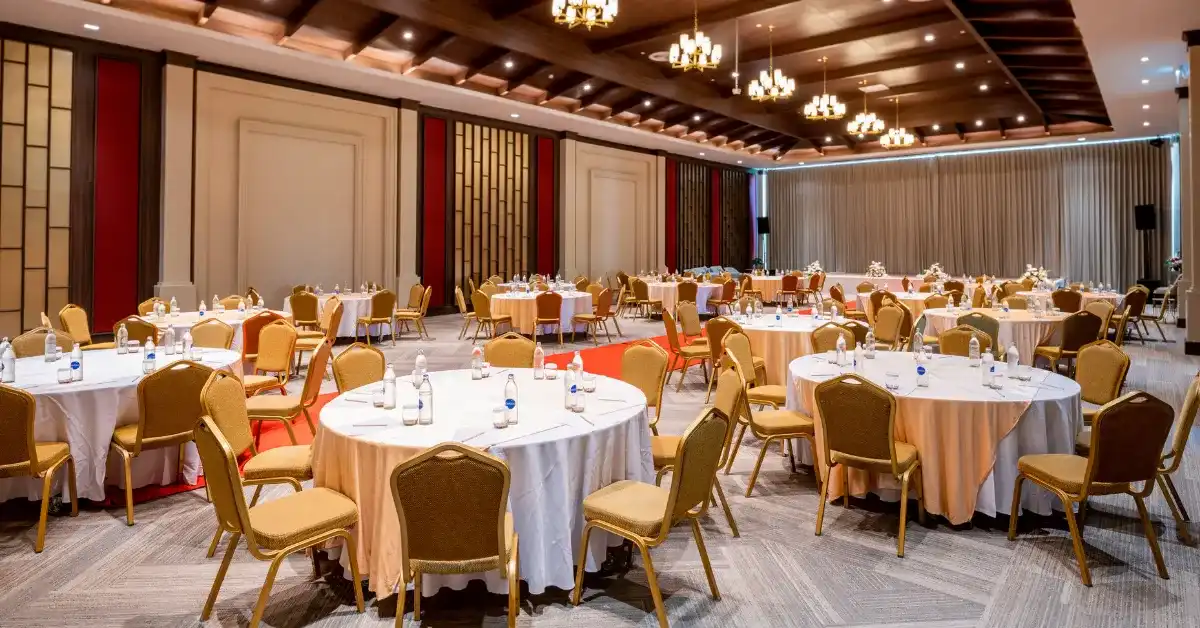
Experienced planners often allocate 20–30% of the total budget to venue and logistics, depending on complexity. Early site visits and detailed floor plans help avoid last-minute changes that can inflate costs. Treating logistics as a planning priority, rather than an operational afterthought, protects both the timeline and the budget.
Catering plays a significant role in shaping attendee experience and perception of value. Food and beverage choices influence overall satisfaction, making this a highly visible part of the corporate event budget. Common cost considerations include:
Hospitality extends beyond meals. Welcome drinks, coffee breaks, networking refreshments, and VIP hosting all fall under this category. For example, a full-day conference with multiple breaks may appear modest per head but quickly adds up when multiplied across hundreds of attendees.
A frequent budgeting mistake is underestimating service-related costs such as corkage, extended service hours, or minimum spend requirements imposed by venues. To manage spend effectively, planners should align catering choices with event format and audience expectations.
Audio-visual and production costs determine how professionally an event looks, sounds, and feels. This budget component is critical for content delivery, audience engagement, and brand presentation. Typical inclusions are:
Production scope varies significantly based on event ambition. A simple internal meeting may only require basic AV, while a product launch or leadership summit often demands custom staging, motion graphics, and rehearsals.
It is advisable to involve an event production partner early to assess technical feasibility and cost implications. Late additions, such as extra microphones or extended operating hours, are common budget drivers.
Talent and speakers bring expertise, credibility, and energy to corporate events, but their fees can vary widely. This budget category includes not only headline speakers but also moderators, performers, and facilitators.
Costs may include speaking or performance fees, preparation and briefing sessions, technical rehearsals, rights for content usage or recordings.

For internal events, leadership speakers may reduce external fees but still require budget for presentation coaching or production support. External keynote speakers, especially industry figures, often command premium rates depending on demand and availability.
Strategic budgeting involves assessing how talent supports event objectives. If the goal is learning, investment may focus on subject-matter depth. If inspiration is key, storytelling and stage presence matter more. Aligning speaker spend with outcomes ensures this portion delivers tangible value.
Travel and accommodation expenses are common in regional or international corporate events. These costs apply to speakers, staff, and sometimes attendees, depending on company policy. Budget items typically include:
Prices fluctuate based on booking lead time, seasonality, and location. For instance, hosting an event during peak travel periods can significantly increase airfares and hotel rates. Centralising bookings often provides better cost control and reduces administrative complexity.
Clear travel policies help manage expectations and prevent overspending. Setting class-of-travel limits, approved hotels, and booking deadlines creates consistency across teams. When managed well, travel costs remain predictable and defensible within the overall budget.
Marketing and communications ensure the right audience knows about the event, understands its value, and remains engaged. This category supports attendance, messaging clarity, and brand alignment. Costs may cover:
For internal events, communication focuses on clarity and participation rather than promotion. External-facing events often require broader outreach and more polished creative work.
For example, allocating budget to a well-designed registration page and reminder emails can significantly improve attendance rates without heavy advertising spend.
A common oversight is underfunding communications, which can lead to low turnout or disengaged audiences. Effective budgeting balances reach and relevance, ensuring resources are spent on channels that resonate with the target audience. Marketing spend should always be tied back to event goals, whether that is attendance, lead generation, or internal alignment.
Event materials and experience elements shape how attendees interact with the event environment. This category includes both practical items and sensory details that contribute to memorability.
Examples include:
While individual items may seem minor, they collectively influence perception. For instance, clear wayfinding signage reduces confusion and staffing needs, while thoughtful stage design reinforces professionalism. Experience-driven elements, such as interactive displays, can boost engagement but require careful cost-benefit evaluation.
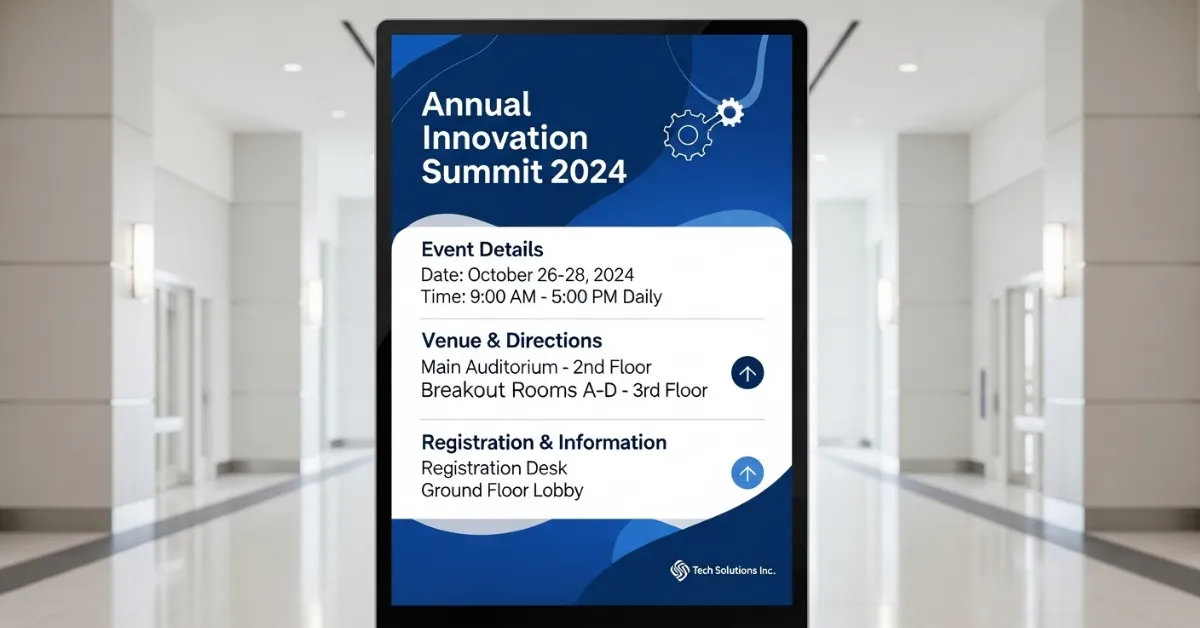
Smart budgeting prioritises materials that serve a purpose. Reusable assets, modular designs, and digital alternatives help control costs while maintaining impact. Planners should focus on coherence, ensuring every element supports the event narrative and audience journey.
Technology and software underpin modern event delivery, especially for data tracking, communication, and hybrid formats. This budget component often grows as events become more complex and digitally enabled.
Common expenses include:
Subscription-based tools may appear affordable individually but add up across multiple licences and events. For example, combining registration, email automation, and attendee engagement in one platform can reduce overall spend compared to using separate systems.
When allocating budget, teams should assess which tools genuinely add value. Features such as live polling or personalised agendas can improve experience, but only if adoption is high. Aligning technology choices with event scale and objectives prevents over-investment and keeps the corporate event budget efficient and focused.
Staffing costs cover the people required to plan, build, and run the event. This includes both internal team time and external support hired for specific roles. Budget considerations may involve event managers and coordinators, on-site crew, technical operators and production crew, temporary or part-time event staff.
Labour needs scale with event size and complexity. A small workshop may rely on a lean internal team, while a large conference requires multiple specialised roles. Understaffing can lead to operational issues, while overstaffing increases costs without improving outcomes.
Experienced planners build staffing plans early, mapping roles to event timelines. Outsourcing certain functions, such as setup or crowd management, can be cost-effective when managed through reliable partners. Clear scopes and schedules help keep staffing spend controlled and aligned with actual needs.
A contingency fund is a critical safety net within any corporate event budget. It accounts for uncertainty and protects the event from unforeseen changes that could otherwise derail plans.
Typical triggers for contingency use include last-minute technical requirements, weather-related adjustments, supplier availability changes, scope increases requested by stakeholders.
Industry best practice suggests allocating 5–10% of the total budget to contingency, depending on risk level. For example, outdoor or multi-location events generally require higher reserves than standard indoor meetings.
The key is not just setting aside contingency, but managing it transparently. Clear approval processes ensure funds are used intentionally rather than absorbed into general spend. When handled properly, a contingency fund provides flexibility and confidence, allowing teams to respond quickly.
Taken together, these components form the foundation of a realistic and controllable corporate event budget. By understanding where costs typically sit, teams can make informed trade-offs rather than reactive cuts.
Building a clear and effective corporate event budget requires structure, not guesswork. This step-by-step approach breaks the process into practical stages, helping teams move from high-level goals to detailed cost planning.
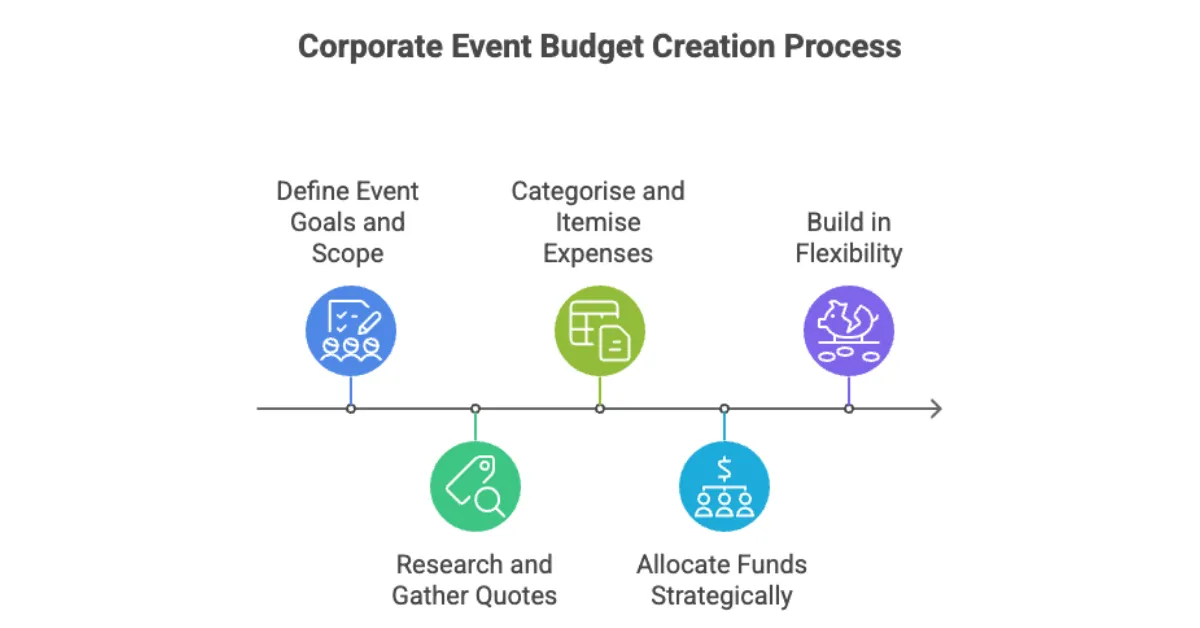
Every effective budget starts with clarity. Before assigning numbers, teams must understand why the event exists and what it needs to achieve. Goals provide the framework for all financial decisions, while scope defines the scale of investment required.
Start by clarifying primary objectives, target audience size and profile, event format, duration and location.
For example, an internal leadership offsite focused on strategic alignment will prioritise facilitation, discussion spaces, and privacy. A customer-facing conference may require stronger production, branding, and hospitality. Without this distinction, budgets often become unfocused or inflated.
Scope also includes boundaries. Confirm what is out of scope early, such as international travel or premium entertainment, to avoid assumption-driven spending later. Documenting goals and scope creates a shared reference point that keeps the budgeting process disciplined and defensible from the outset.
Once scope is defined, the next step is market research. Realistic budgets are built on current pricing, not assumptions or last year’s figures. Supplier costs fluctuate due to demand, seasonality, and availability, making up-to-date quotes essential.
Shortlist suitable vendors for each major cost category and request itemised quotations with clear inclusions. Then, compare like-for-like proposals to identify true cost drivers.
For instance, two venues may offer similar rental rates, but differ significantly in what is included, such as furniture, AV, or staffing. A lower headline price does not always mean lower total cost.
Engaging multiple suppliers also strengthens negotiation and helps identify average market ranges. Even when working with preferred partners, refreshed quotes provide financial accuracy and credibility when presenting budgets to stakeholders. This research phase anchors the corporate event budget in reality rather than estimates.
With initial costs in hand, structure becomes critical. Categorising and itemising expenses turns a collection of quotes into a usable budget tool that supports decision-making and tracking.
Start by grouping costs into clear categories, such as venue, production, catering, staffing, and technology. Within each category, break expenses down into line items. For example, “audio-visual” should be separated into equipment, crew, and rehearsal time rather than treated as a single figure.
This level of detail improves visibility into where money is being spent. It allows you to makes adjustments easier and reduces the risk of overlooking smaller but cumulative costs.
Itemisation also supports approvals and post-event reporting. Finance teams and stakeholders are more likely to trust budgets that show transparency and logic. A well-structured budget at this stage becomes a working document, not just a forecast.
Not all budget lines carry equal importance. Strategic allocation ensures spending reflects priorities rather than being evenly distributed across categories.
Begin by identifying high-impact areas based on event goals. If engagement is critical, production and facilitation may warrant higher investment. If attendance is the main challenge, marketing and communications may take precedence.
A useful approach is to rank budget categories by contribution to objectives, allocate more resources to top-tier priorities and apply cost controls to lower-impact elements.
For example, simplifying décor may free up funds for better speakers or interactive technology. Strategic trade-offs prevent budget bloat while protecting the elements that define success.
This step transforms the corporate event budget from a cost list into a value-driven plan. It also provides a clear rationale when explaining budget decisions to leadership or adjusting scope under financial constraints.
Even the most detailed budget cannot predict every change. Building flexibility allows teams to respond to new information without losing control.
Flexibility can take several forms, such as a defined contingency allocation, phased spending approvals tied to milestones or optional cost items.
For example, committing to core production early while deferring optional experience upgrades preserves choice as the event evolves. This approach reduces pressure when stakeholder requests emerge closer to delivery.
Flexibility is also about mindset. Treat the budget as a living document, reviewed regularly as quotes are confirmed and plans evolve. Teams that plan for change spend less time firefighting and more time making informed decisions. A flexible budget supports resilience, ensuring the event remains both impactful and financially sound.
Even experienced teams can encounter avoidable pitfalls when managing a corporate event budget. Understanding where budgets typically go wrong helps planners anticipate risks and apply more disciplined, proactive financial management.
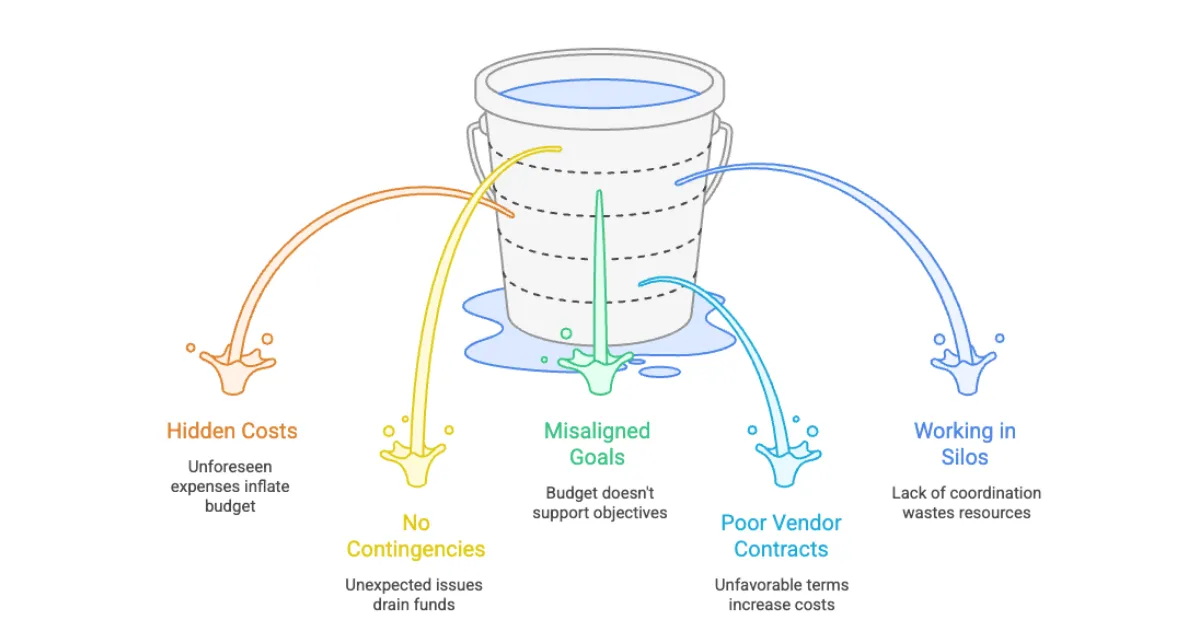
Hidden costs are one of the most common reasons corporate event budgets exceed expectations. These expenses are rarely obvious at the planning stage but surface during delivery or post-event reconciliation.
Typical examples include:
To avoid this, request fully itemised proposals and ask suppliers to clarify what is excluded. Reviewing contracts line by line and validating assumptions during planning reduces surprises. Building a detailed checklist of potential add-ons ensures smaller costs do not accumulate into major overruns.
Skipping contingency planning leaves budgets exposed to risk. Changes in scope, weather, or technical requirements can quickly disrupt even well-organised events.
Without a buffer, teams often face last-minute approval stress, compromised event quality and unplanned cost reallocations.
Best practice is to set aside 5–10% of the total budget as contingency, scaled to event complexity. Clear rules on how contingency funds are approved and tracked prevent misuse. Treating contingency as a strategic reserve, rather than spare cash, allows teams to respond calmly and decisively when unexpected issues arise.
Budgets that are disconnected from event objectives tend to underperform. Spending may look balanced on paper yet fail to support the outcomes that matter most.
For example, allocating heavily to décor while underfunding content delivery can weaken engagement at a learning-focused event. To prevent this, define success criteria early and use them to guide spending decisions. Reviewing the budget against objectives at key planning milestones ensures resources remain aligned.
Weak contract oversight often leads to budget creep. Ambiguous terms, unclear scopes, and missing deliverables create opportunities for additional charges.
Common issues include undefined setup and teardown times, open-ended technical support hours and vague inclusions around staffing or equipment.
Avoid these risks by insisting on detailed scopes of work and fixed pricing where possible. Confirm timelines, responsibilities, and change management processes in writing. Strong contract management protects the budget and strengthens supplier relationships through clearer expectations.
When teams operate in isolation, budget control suffers. Marketing, operations, and finance may make decisions independently, leading to duplicated spend or conflicting priorities.
For instance, adding a last-minute engagement feature without production input can trigger unforeseen technical costs. Regular cross-functional check-ins and shared budget ownership improve visibility and accountability. A single, centralised budget document ensures everyone works from the same assumptions, aligning decisions across the planning team.
Maximising a corporate event budget is not about cutting corners. It is about making informed decisions that preserve experience quality while improving cost efficiency. The following proven strategies help teams stretch their budget further without diluting impact.

Applied together, these tactics transform budget management from constraint-driven to strategy-led, delivering more value from every pound spent.
Technology plays a critical role in controlling costs and improving visibility across a corporate event budget. When used effectively, digital tools reduce manual work, minimise errors, and support more informed financial decisions.
By embedding the right technology, teams gain greater financial control, reduce inefficiencies, and manage budgets with confidence.
To simplify planning, we have created a free corporate event budget template designed for real-world use by internal teams and event planners. The template provides a clear structure for tracking estimated, committed, and actual costs across all major budget categories.
Customising the template is straightforward. Adjust categories based on your event type, scale, and format, and remove any sections that are out of scope. For example, a virtual event may reduce venue and travel costs while increasing technology spend.

To use the template effectively, update it regularly, not just at the planning stage. Treat it as a live document that supports decision-making, approvals, and post-event review. This approach turns budgeting from a one-off task into a controlled, transparent process.
Managing a corporate event budget internally can be time-consuming and resource-intensive. Working with an experienced corporate event management partner offers an alternative approach. Professional teams bring market knowledge, supplier networks, and proven processes that help avoid common budget pitfalls while maximising value.
At Dream Station, we support clients by aligning budgets closely with business objectives, ensuring spend drive real impact. Our long-standing relationships with venues, production partners, and suppliers allow us to secure competitive rates and identify efficiencies that are not always visible to internal teams.
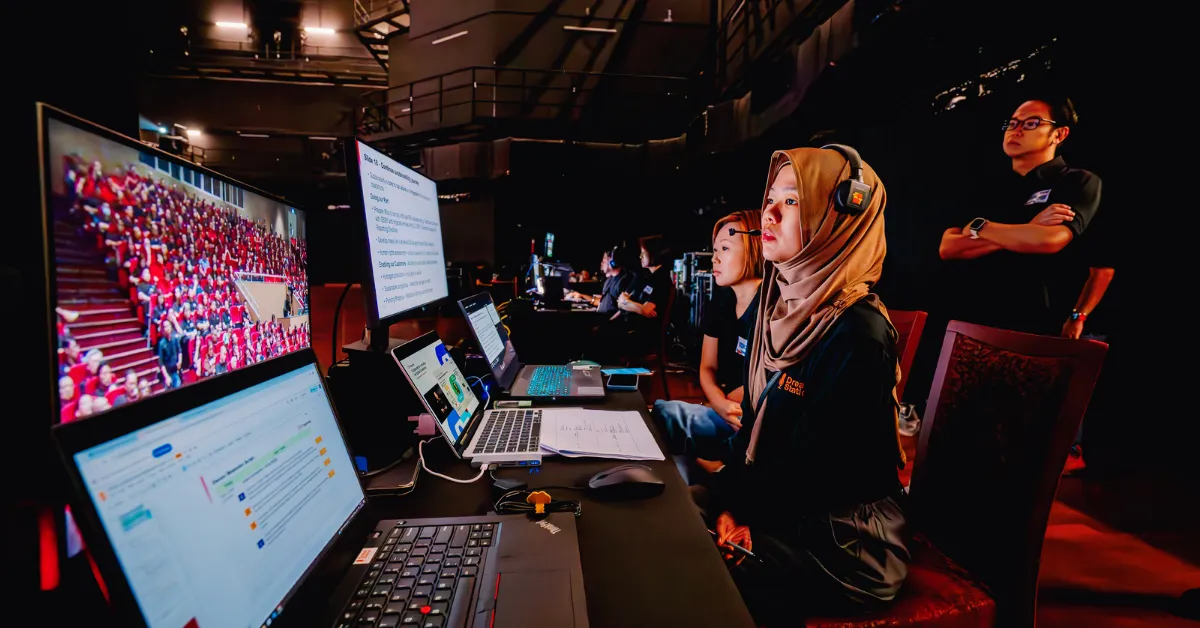
By partnering with Dream Station, organisations gain clearer budget visibility, reduced risk, and a corporate event budget that works harder without compromising quality or experience.
A well-planned corporate event budget is more than a financial exercise. It is a strategic tool that supports better decision-making, stronger stakeholder alignment, and more impactful events. If you are ready to plan smarter and maximise value, speak to Dream Station about how we can support your next corporate event management.



We’ll get back to you as fast as we can with availability and next steps.
"*" indicates required fields

Hong Kong
Vietnam
Philippines
Singapore
Thailand
Japan
UAE
Egypt
China
South korea
Malaysia

OUR GLOBAL PRESENCE