




Hong Kong
Vietnam
Philippines
Singapore
Thailand
Japan
UAE
Egypt
China
South korea
Malaysia
BY FELIX TRAN • 12 AUGUST 2026

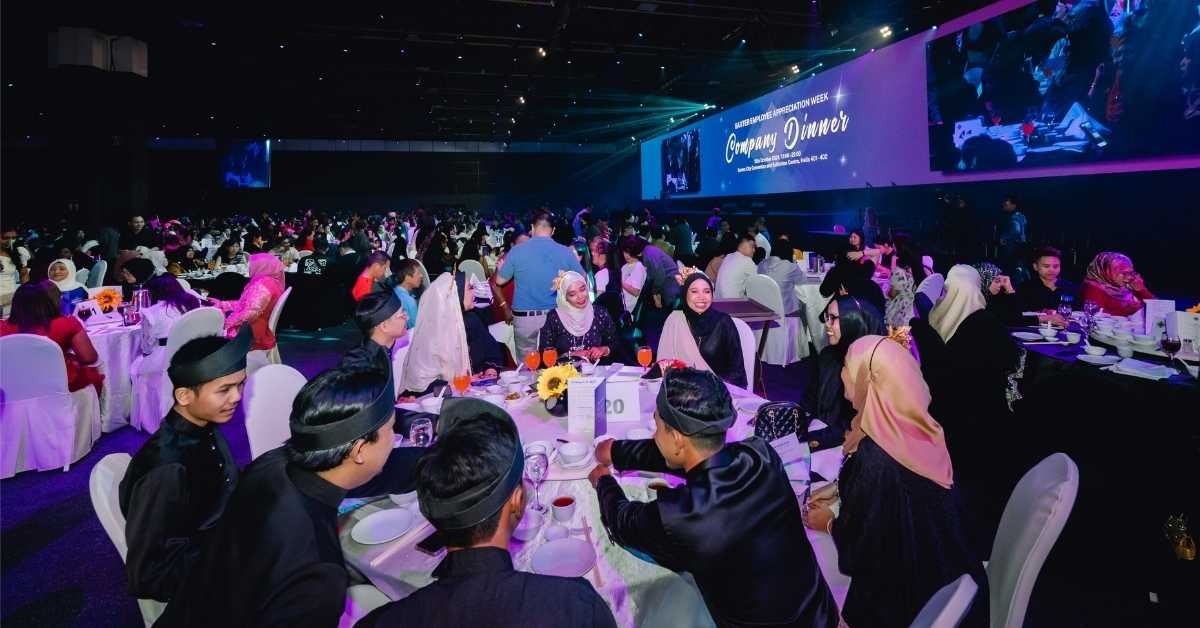
You’ve pictured the night already: a packed dance floor, a room that feels alive, guests still talking about it weeks later. Then the planning starts, and somewhere between the venue contract and the seating chart, that vision starts to slip.
The good news is that most mistakes when planning a dinner and dance aren’t caused by a lack of effort. They come from a handful of predictable blind spots that repeat year after year, even among experienced planners.
This post walks through the 8 most common dinner and dance planning mistakes, why they happen, and exactly how to avoid them. By the end, you’ll have a pre-event checklist mindset — the ability to catch these issues before they derail the night, not after.
Most of these mistakes trace back to the very first planning decision: when you start. So that’s where we begin.
A compressed timeline forces reactive decisions and shrinks your pool of available vendors and venues. It’s the single biggest predictor of a stressful planning process.
Popular venues and in-demand entertainment acts in Singapore get booked out months in advance, especially during the October to December peak dinner and dance season. Start late, and you’re not choosing the best fit. You’re choosing whatever’s left.
Late starts also cost more. Rush bookings and peak-season premiums are real, and they eat straight into your budget before you’ve spent a dollar on décor or entertainment.
The fix:

We often get brought in to “rescue” events that started too late. It’s usually still possible to pull off a great night, but the options narrow fast the closer you get to the date. If you want the full step-by-step planning timeline this section is built on, our complete guide on how to plan a dinner and dance walks through every stage in order.
A late start often creates the next mistake, too. When you’re rushed, it’s tempting to skip straight to logistics and skip the “why” entirely.
Without a defined purpose, every decision after this one lacks direction. A staff appreciation dinner, a client-facing gala, and a milestone celebration all need different tones, budgets, and formats.
Mismatched tone is one of the most common sources of post-event feedback complaints. An overly formal event for a casual team feels stiff. A casual party for a prestige-building client event undersells the brand.
We’ve seen leadership teams want a polished, client-impressing evening, only to end up with a relaxed staff-party vibe — because nobody agreed on the objective before booking anything.
The fix:
At Dream Station, our discovery process with clients always starts here. Objective-setting before a single venue or vendor conversation happens. Once the “why” is settled, the next failure point is whether that objective actually makes it into the budget.
Most planners budget for the obvious line items — venue, food, entertainment — and get blindsided by everything else. Hidden costs are where budgets quietly fall apart.
Common hidden costs include service charges, overtime or idle fees, delivery and logistics, AV cabling, and permits. None of these show up until you’re deep into vendor negotiations.
A last-minute AV upgrade or an unplanned security requirement can wipe out your margin entirely if there’s no buffer line to absorb it.
The fix:

Working with a full-service organiser also helps here. Bundled vendor packages lock in pricing early, which absorbs some of this risk before it ever becomes a surprise. Budget problems tend to surface visibly at the venue stage. It’s usually where overspending or under-planning becomes obvious first.
A venue mismatch undermines atmosphere and guest comfort no matter how well everything else is planned. Too small, too large, poor layout, or hard to reach, any of these can quietly sink the night.
Key criteria to check: capacity against your expected attendance, floor layout for dining, dance floor, and stage, accessibility and parking, and whether the space can actually support your AV and technical needs.
A venue that’s too large for your guest list kills atmosphere and drains energy off the dance floor. One that’s too small creates overcrowding at the buffet and bar.
The fix:
If you’re still shortlisting, our guide to dinner and dance venues in Singapore is a useful starting point for options across different budgets and styles.
Even the right venue can fall flat if the entertainment doesn’t match the room and the audience, which brings us to the next mistake.
Entertainment is often the last thing booked and the first thing cut when budgets get tight. That’s a mistake, because it’s the single biggest driver of whether guests actually get up and dance.
Programme pacing matters just as much as the act itself. Alternating formal segments — speeches, awards — with high-energy segments like a live band, DJ, or games keeps the room’s momentum going.
Stack too many speeches and awards back to back before any music plays, and guests are already checked out by the time dancing is supposed to start.
The fix:

Dream Station works with a curated entertainment network built over 15+ years and 1,000+ events, and we’re happy to share creative dinner and dance game ideas that keep energy high between formal moments.
A strong entertainment lineup still needs someone coordinating it live. That’s where the next mistake causes events to unravel.
Even a well-planned event can fall apart in execution if nobody is tracking timing, cueing vendors, or handling issues discreetly as they come up.
A detailed run sheet assigns an owner and a timing to every segment — arrival, speeches, dinner service, awards, entertainment, dancing, and close. Without one, small delays cascade.
If catering service runs late and nobody’s tracking the clock, the entire programme gets pushed back, cutting straight into dance time and draining energy from the room.
The fix:
This is exactly what dedicated on-site event coordination solves. It’s part of how we run full-service events, so nothing depends on one internal staff member juggling everything at once.
Coordination keeps the event on schedule. But guest experience is what people actually remember — and that’s where things quietly break down next.
Small oversights accumulate fast. Dietary needs, seating logic, sightlines, sound levels, and wait times all shape whether a night feels polished or disorganised, regardless of how good the big elements were.
Commonly overlooked details include dietary and halal or vegetarian options, seating arrangements across mixed seniority or departments, sound levels balanced for conversation versus dancing, and sightlines to the stage.
Guests seated with a poor view of the stage or the awards presentation feel disconnected from the key moments of the night, even if everything else runs smoothly.
The fix:
We build guest experience into the design phase of every event, rather than treating it as a final walkthrough item once the layout is already locked.
Guest experience issues are often the visible result of something that went wrong earlier — weak promotion and unreliable RSVP tracking.
Even a perfectly planned event underperforms if attendance is low or headcounts are unreliable. Every catering, seating, and budget decision downstream depends on an accurate number.
Effective promotion channels for a corporate audience include save-the-dates, personalised invitations, internal newsletters, and follow-up through department heads to encourage attendance.
Order catering against an unconfirmed headcount, and you’ll either overspend on food nobody eats or run short and leave guests without.
The fix:
We handle guest communications and RSVP tracking as part of end-to-end event management, so headcounts stay accurate right up to the final numbers going to catering.
These 8 dinner and dance planning mistakes rarely show up as one dramatic failure. They compound quietly across the planning timeline. Every one of them is preventable with the right lead time, a clear objective, and someone tracking the details that are easy to miss.
If you’re planning a dinner and dance in Singapore or across the region, we’re happy to help you avoid every mistake on this list and make the night the one your guests remember.
We'll get back to you as fast as we can with availability and next steps.


Hong Kong
Vietnam
Philippines
Singapore
Thailand
Japan
UAE
Egypt
China
South korea
Malaysia

OUR GLOBAL PRESENCE