



Hong Kong
Vietnam
Philippines
Singapore
Thailand
Japan
UAE
Egypt
China
South korea
Malaysia
BY FELIX TRAN • 4 NOVEMBER 2026
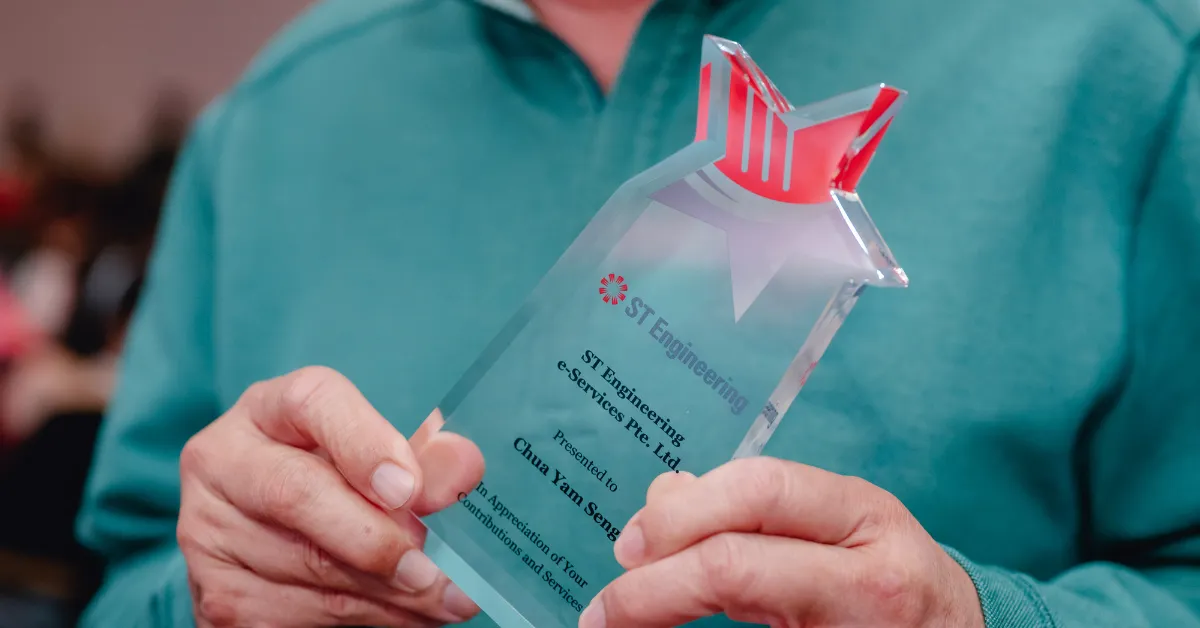
The venue is booked. The theme is picked. And then someone on the committee asks: “So what awards are we actually giving out?”
If you’re stuck staring at a blank slide, you’re not alone. Choosing the right dinner and dance award category mix is one of the trickiest parts of planning a company D&D. Too formal and the night feels like a work meeting, too silly and it feels like it’s missing substance.
This guide covers every type of award category you can run, grouped by purpose, plus how many to actually pick and how to present them without killing the night’s energy. By the end, you’ll have a shortlist ready to bring to your next planning meeting.
These are the categories your team expects to see. The ones that formally recognise hard work over the past year.
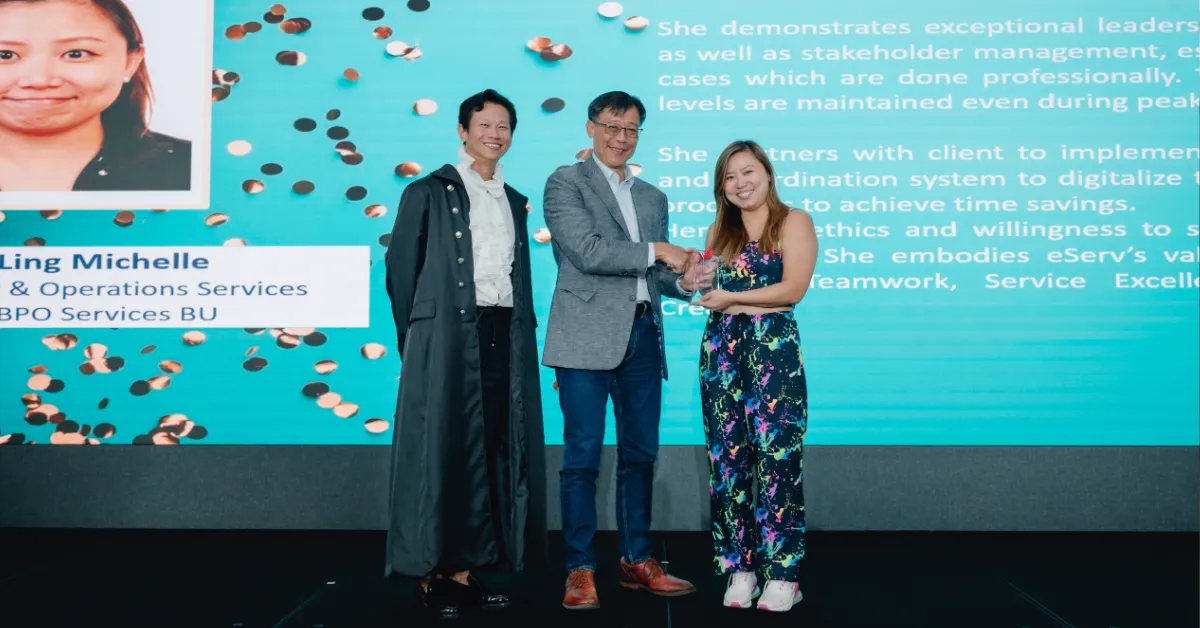
You don’t need all five. A 30-person startup might only run Employee of the Year and a Long Service Award, while a larger organisation can afford the full set.
Decide early who nominates or votes. Management-selected categories feel more “official,” while peer-nominated ones tend to get louder applause.
For Long Service Awards especially, the reveal matters. We’ve found that a short video montage or a few personal facts read out by the emcee turns what could be a quick handshake into a genuinely emotional moment. This is something we help clients script when we run their D&D programs.
Once the formal recognitions are done, this is where the energy in the room picks up.
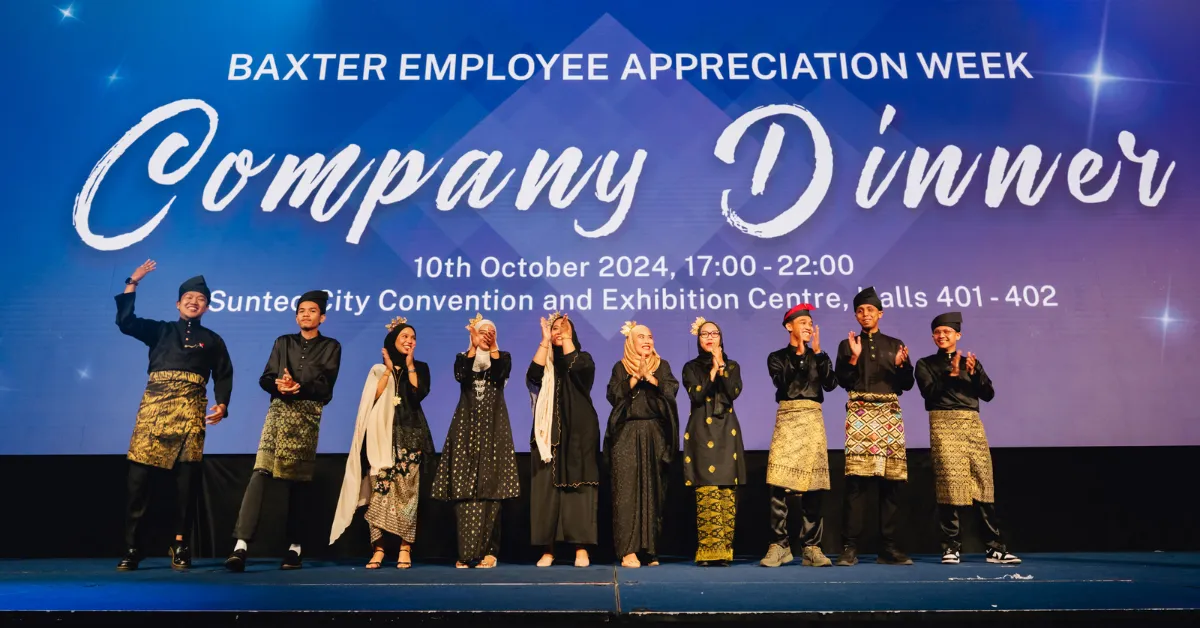
Tie Best Dressed directly to your theme. If your D&D is “Hollywood Glam,” judge Best Dressed on how well guests committed to that look, not just formalwear in general.
Decide your voting method in advance. A QR code poll, a show of hands, or ballots left on tables. So this segment doesn’t stall the program while people figure out how to vote.
One rule worth following: keep superlative categories kind. “Most Likely to…” categories are fun until one lands on someone in a way that embarrasses them in front of colleagues. When in doubt, leave it out.
Not every award needs to go to an individual. Group categories keep the night inclusive and reward departments that don’t always get the spotlight.
If you’re running a Best Table contest, judge it early in the night. Tables tend to get messy once dinner service starts, so scoring decorations before the mains arrive keeps it fair.
Pair table and department wins with something practical — vouchers or an extra half-day off tend to land better than a trophy alone.
At Dream Station, our event decoration and entertainment teams often build the props, trophies, and staging for these group categories directly into the event design, so the “Best Table” prize actually looks like a prize when it’s announced.
There’s no fixed number, but there is a pacing problem most committees miss: too many categories and the awards segment drags, cutting into dance floor time and causing “award fatigue.”
As a rough guide:
Keep the entire awards segment to around 20–30 minutes within a typical 3–4 hour program. If your list is pushing past that, look for categories to merge. For examples, “Best Team Player” and “Best Team” are close enough to combine into one.
Interleaving helps too. Instead of running all your awards back-to-back, alternate them with a performance, a dance set, or a game. It keeps energy up and gives the emcee natural breathing room between announcements.
This is a program-design conversation we have with almost every client planning a D&D. The category list is only useful once it’s mapped against the actual runtime of the night.
A great category list still needs smooth execution, or the segment falls flat regardless of how good the ideas are.

A simple pattern works well: award, 30-second lucky draw, next award. It keeps the pacing tight without feeling rushed.
Assign one person as the single point of contact for the winner list, and run a quick briefing with your emcee beforehand so cues don’t get missed on the night.
A strong D&D awards segment blends performance recognition, fun personality categories, and team-based awards, sized to fit your program length. The categories are only the starting point. Pacing and execution are what make the segment memorable instead of a drag on the night.
If you’re planning a corporate dinner and dance in Singapore or across the region, Dream Station’s team is happy to help you build out the full program, awards segment included.
We'll get back to you as fast as we can with availability and next steps.


Hong Kong
Vietnam
Philippines
Singapore
Thailand
Japan
UAE
Egypt
China
South korea
Malaysia

OUR GLOBAL PRESENCE