


Hong Kong
Vietnam
Philippines
Singapore
Thailand
Japan
UAE
Egypt
China
South korea
Malaysia





Planning a conference can feel overwhelming, especially when you’re juggling objectives, stakeholders, budgets, and timelines all at once. Over the years at Dream Station, I’ve seen how solid conference planning turns what could be a stressful process into a smooth, well-run experience.
In this guide, you’ll learn how to:

If you’re wondering how to plan a conference without second-guessing every decision, keep reading. I’ll walk you through each stage to help you plan smarter and run a more successful conference.
Conference planning is the process of mapping out every stage of a conference in a way that is structured, organised, and easy to execute. Strong conference planning brings together goals, timelines, budgets, and resources so nothing is left to chance.
Just as importantly, conference planning isn’t a static document you create once and forget about. It’s an evolving framework that needs to be reviewed and adjusted as decisions are made, details are confirmed, and circumstances change. This ongoing approach is what helps teams deliver a successful conference.
Before diving into detailed conference planning, it’s important to get the fundamentals right. A strong foundation sets the direction for all your conference preparation and makes every decision that follows more effective.
Every successful conference starts with a clear purpose. Before anything else, I always ask what the event needs to achieve, whether that’s lead generation, knowledge sharing, internal alignment, or revenue.
Defining measurable objectives early helps guide all conference planning decisions and gives you a clear benchmark for success. Clear goals also make it easier to prioritise resources and manage expectations.
Understanding who your conference is for shapes everything from content to communication. Identifying your target audience early allows you to design sessions, select speakers, and plan experiences that genuinely resonate with attendees.
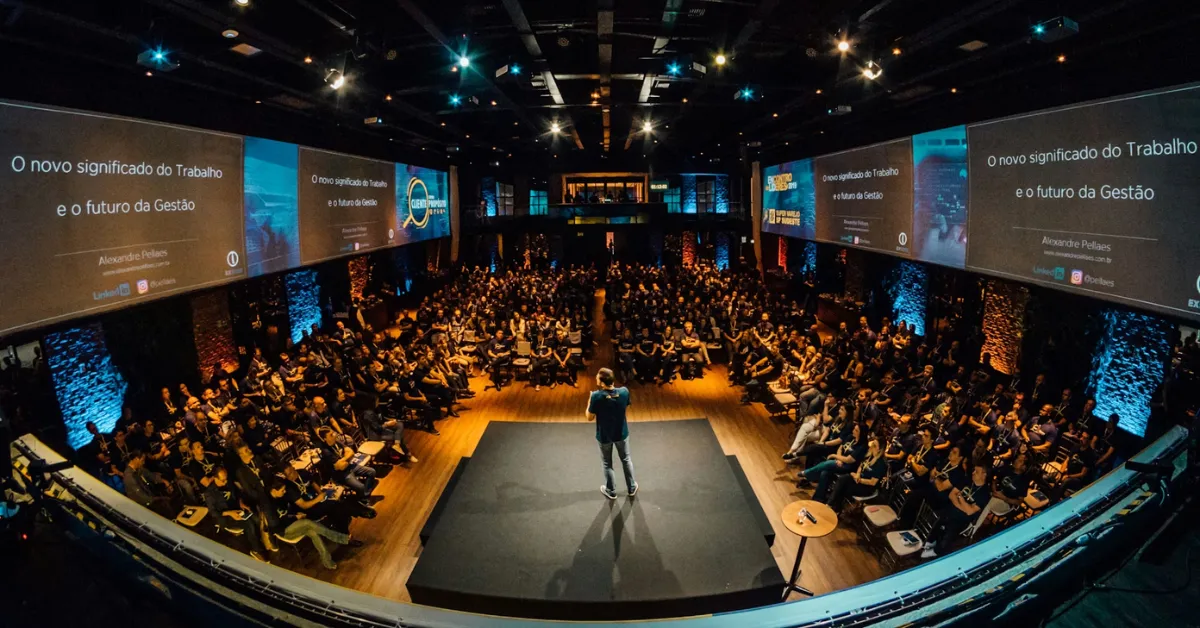
From a practical standpoint, knowing your audience also informs marketing messages, pricing strategies, and even logistical choices such as venue size and accessibility requirements.
The format of your conference should support your objectives and suit your audience, not the other way around. In-person events are great for networking and relationship-building, while virtual and hybrid formats offer flexibility and wider reach, especially for regional or international audiences.
It’s also worth considering the event duration, number of sessions, and overall structure. Making these decisions early helps avoid major changes later and keeps the rest of the planning process on track.
Once the direction is clear, the next stage of conference planning focuses on making the key strategic decisions. This is where goals are translated into a realistic budget, workable timelines, and an agenda that supports both your objectives and attendee experience.
Conference planning is rarely a one-person job. At this stage, I make sure roles and responsibilities are clearly defined, from overall project lead to logistics, programme management, and vendor coordination. A clear team structure reduces bottlenecks and keeps decision-making efficient as the plan develops.
A realistic budget sets the boundaries for every planning decision that follows. This should cover major cost areas such as venue, production, speakers, catering, marketing, and contingency, alongside projected income from ticket sales, sponsors, or internal funding.
A well-planned timeline keeps conference preparation on track and prevents important tasks from being overlooked. I usually work backwards from the event date, breaking the plan into clear milestones and supporting it with a conference planning checklist to track progress and accountability.
For in-person or hybrid events, the venue should always come first. I usually recommend shortlisting suitable venues and checking availability before locking in your conference date, as this prevents unnecessary compromises later in the conference planning process.
When evaluating potential venues, consider:
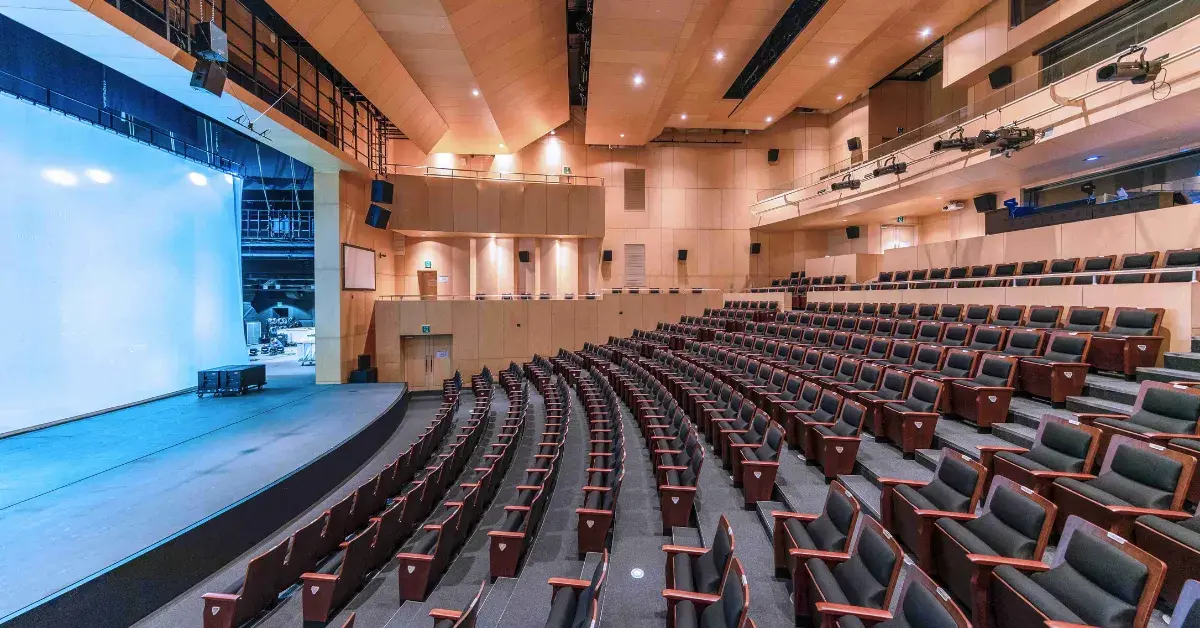
This approach keeps venue selection aligned with both your event goals and practical conference preparation needs.
The right speakers can significantly influence how your conference is perceived by attendees. Whether you’re engaging industry experts, internal leaders, or professional hosts, it’s important to align talent with your objectives and audience expectations. Early confirmation helps with agenda planning and marketing momentum.
A well-designed agenda keeps attendees engaged and ensures your conference delivers on its objectives. When planning the programme, I focus on aligning sessions, workshops, and keynotes with the overall goals while maintaining a clear flow for attendees to follow.
For stronger engagement, it’s worth building in a mix of formats, such as panel discussions, interactive sessions, and Q&As. I also build the agenda around realistic pacing, factoring in breaks, meals, and informal networking.
For virtual or hybrid conferences, considers time zones and screen fatigue so all attendees stay involved throughout the event.
Technology plays a critical role in delivering a smooth conference experience, especially for virtual and hybrid formats. From my experience, locking in the right platforms and AV support early gives the team time to test, troubleshoot, and avoid unnecessary stress closer to the event.
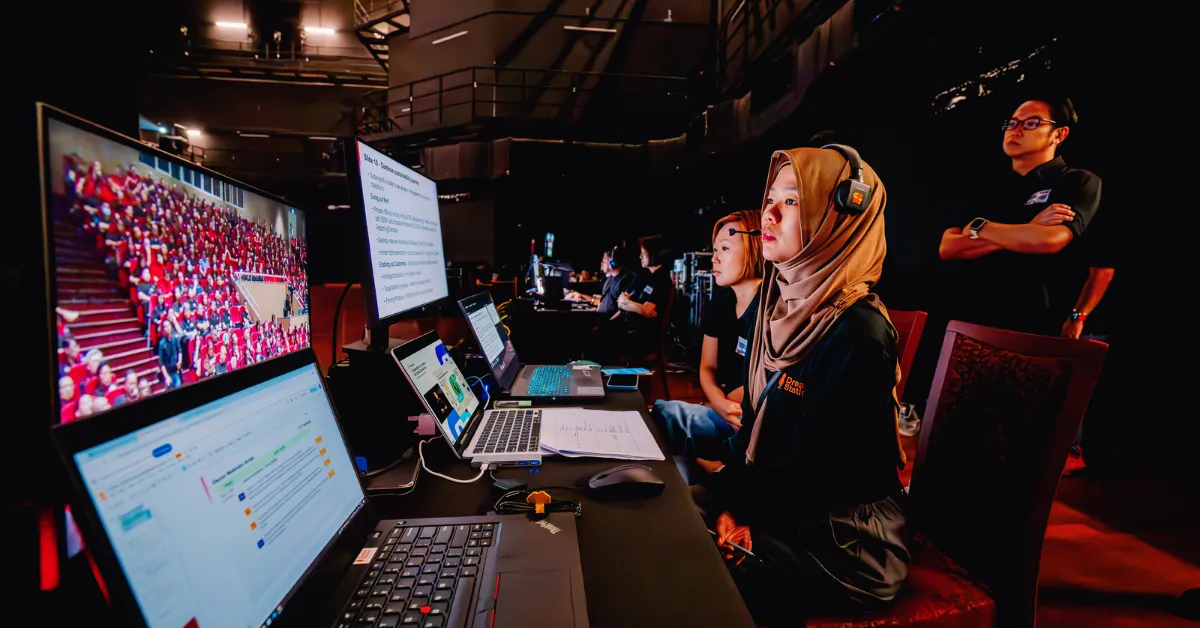
Depending on your conference format, this may include:
Building sufficient time for technical rehearsals and contingency planning is essential to ensure everything runs smoothly on the day.
With the strategic elements in place, conference planning now moves into detailed logistics and operational coordination. This stage of conference preparation focuses on turning plans into confirmed arrangements that support a well-organised conference.
A smooth registration journey sets the tone for the entire conference. During conference preparation, I prioritise systems that are easy for attendees to use and simple for the team to manage. Clear confirmation emails, badges or QR codes, and well-staffed check-in points help reduce queues and first-day friction.
If attendees are travelling in, accommodation and transport planning shouldn’t be an afterthought. This includes negotiating room blocks, sharing clear travel information, and ensuring venues and transport routes are accessible to all participants.
Thoughtful planning here not only improves attendance but also contributes to a more inclusive conference experience.
Food and hospitality have a bigger impact on attendee satisfaction than many people expect. From my experience, well-timed meals, quality refreshments, and clear dietary labelling go a long way.

It’s also worth considering amenities such as charging points, rest areas, and clear signage to keep attendees comfortable throughout the day.
Effective vendor management keeps operations running smoothly behind the scenes. This involves confirming scopes, timelines, and on-site responsibilities with suppliers such as AV teams, caterers, decorators, and registration staff.
Regular check-ins and clear documentation help avoid misunderstandings and last-minute issues during conference preparation.
Effective conference marketing starts with a clear promotion plan and follows through with consistent communication across the right channels. At this stage, I focus on defining key messages, aligning promotional activity with milestones such as speaker announcements or early-bird deadlines.
To drive registrations and maintain momentum, this typically includes:
Handled well, this approach not only boosts attendance but also ensures participants arrive informed and ready to take part on the day.
Pre-event engagement builds anticipation and reduces drop-offs. This might include sharing agenda highlights, speaker previews, practical attendee information, or interactive content such as polls or networking teasers. From experience, engaged attendees are far more likely to show up prepared and actively participate on the day.
This is where all your conference planning comes together. On the day itself, clear coordination and real-time decision-making are essential to ensure the event delivers the experience you’ve planned for attendees.
A well-managed check-in sets the tone for the entire day. I always make sure registration desks are clearly signposted, adequately staffed, and supported by a simple check-in system to keep queues moving.
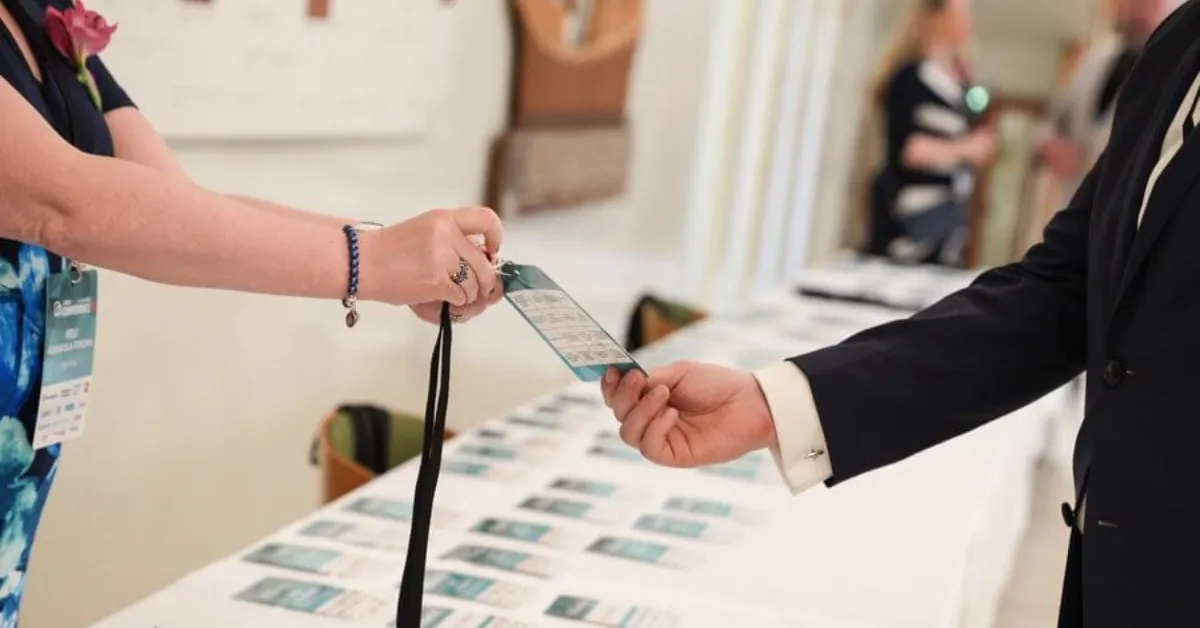
Throughout the event, tight session management and clear transitions between programmes help maintain momentum and keep attendees on schedule.
On event day, speakers and attendees should feel supported at every touchpoint. This includes having a clear speaker liaison, providing briefing notes and technical support, and ensuring someone is on hand to resolve issues quickly. Proactive support behind the scenes makes a noticeable difference to how confidently the event runs.
Networking is often one of the main reasons people attend a conference. I focus on creating natural opportunities for interaction through scheduled breaks, facilitated networking sessions, or informal social spaces. Simple prompts, clear signage, and light facilitation help attendees connect and stay engaged throughout the day.
The work doesn’t end when the conference wraps up. This final stage of conference planning focuses on reviewing performance and capturing insights to maximise the long-term value of the event.
Collecting feedback is essential for understanding what worked and what didn’t. I recommend gathering input from attendees, speakers, and partners while the experience is still fresh. Use surveys or quick follow-ups, and review this alongside your original objectives to measure overall success.
Internal debriefs help capture valuable operational insights that aren’t always visible in attendee feedback. Bringing the team together to review timelines, budgets, supplier performance, and on-the-day execution allows you to document lessons learned and improve future conference planning processes.
Timely follow-up communications reinforce positive relationships and leave a lasting impression. Sending personalised thank you messages to sponsors, speakers, and delegates shows appreciation and supports future collaborations and attendance.
A well-structured conference planning checklist helps keep every task on track, from early planning through to post-event follow-up. It’s a practical way to stay organised and ensure nothing important is missed as timelines tighten.
If you prefer a ready-made reference to support your conference planning process, our checklist is designed to guide you through each stage with clarity and confidence.
Even with experience, it’s easy to overlook details that can impact the success of an event. From my experience, many conference issues stem from avoidable missteps made early in the conference planning process. These include:
Avoiding these pitfalls helps keep conference preparation structured, manageable, and far more effective from start to finish.
For teams that want added confidence and consistency, working with an experienced conference planner can make a significant difference, especially when timelines are tight or stakes are high. At Dream Station, we support our clients, helping them plan ahead, avoid common mistakes, and deliver conferences that run smoothly.
Effective conference planning is about more than just organising sessions and booking a venue. It’s a structured approach that ties together objectives, logistics, marketing, and on-the-day execution to deliver a seamless event experience. By following a clear framework and keeping track of every detail, you can create an event that leaves a lasting impression on attendees, speakers, and sponsors alike.
At Dream Station, we specialise in turning complex conference planning into smooth, well-executed events. Our team provides end-to-end conference planning services that delivers real results. If you are looking for a reliable partner to manage your next conference with confidence, get in touch with us!



We’ll get back to you as fast as we can with availability and next steps.
"*" indicates required fields

Hong Kong
Vietnam
Philippines
Singapore
Thailand
Japan
UAE
Egypt
China
South korea
Malaysia

OUR GLOBAL PRESENCE