


Hong Kong
Vietnam
Philippines
Singapore
Thailand
Japan
UAE
Egypt
China
South korea
Malaysia





Planning a conference involves countless moving parts, and even experienced organisers can fall into avoidable traps. We’ve seen how small oversights can quickly turn into major conference planning mistakes if not addressed early.
In this guide, you’ll learn how to:
Read on to avoid these pitfalls and deliver a conference that runs smoothly and meets your event objectives.
Many conference planning mistakes don’t stem from a lack of effort, but from gaps in planning, coordination, or experience. Based on what we regularly see on real projects, the following mistakes are among the most common, and the costliest, if left unaddressed.
One of the most common conference planning mistakes is starting with logistics before defining the event’s purpose. Without clear objectives, such as education, lead generation, internal alignment, or brand positioning, it becomes difficult to make informed decisions on budget, content, or format.

How to avoid it: Set measurable goals early (attendance targets, engagement levels, feedback scores) and use them to guide every planning decision.
Budget overruns often happen when costs like AV, rehearsals, staffing, or contingency funds are overlooked. We frequently see planners commit spend too early without prioritising what truly impacts the attendee experience.
How to avoid it: Build a detailed conference budget with clear cost categories, track spend regularly and allocate contingency for last-minute changes.
A venue may look impressive but still be unsuitable for your conference format, audience size, or technical needs. Common issues include poor accessibility, limited breakout spaces, or insufficient power and rigging support.
How to avoid it: Assess venues based on functionality first, such as capacity, layout, location, and technical infrastructure before aesthetics. For a more detailed breakdown, refer to our conference venue guide which walks through the key considerations before making a decision.
Leaving key decisions too late is a frequent conference planning mistake that leads to rushed approvals and compromised quality. Tight timelines also increase the risk of miscommunication with vendors and speakers.
How to avoid it: Work backwards from the event date, set realistic milestones, and lock in critical elements early.
Assuming venues or speakers will manage technical needs is a costly assumption. Poor sound, unreadable screens, or unstable live streams can undermine even the best content.

How to avoid it: Confirm AV requirements early, schedule technical rehearsals, and ensure on-site support is available throughout the event.
Overpacked agendas, long sessions, and unclear navigation can quickly disengage attendees. From our experience, these issues often result in early drop-offs and poor feedback.
How to avoid it: Design the agenda with pacing in mind, include breaks, and ensure clear signage and smooth registration flow.
A common conference planning mistake is focusing on speaker profiles rather than content relevance. Well-known speakers may attract attention, but if their sessions don’t address the audience’s needs or align with the event’s objectives, engagement quickly drops.

How to avoid it: Start content planning with the audience in mind, define clear session outcomes, and work closely with speakers to ensure their topics, formats, and key messages support the overall conference goals.
Many conference planning issues arise not from poor execution, but from assumptions between stakeholders. Misalignment often happens between organisers, venues, AV teams, speakers, and sponsors, especially when responsibilities, timelines, or last-minute changes aren’t clearly confirmed.
How to avoid it: Define roles early, document key decisions, and schedule regular check-ins as the event approaches to ensure everyone is working from the same, up-to-date information.
Unexpected issues are part of every conference, but problems escalate when there’s no clear plan for handling them. From speaker delays and technical failures to last-minute layout changes, the real risk isn’t the issue itself. It’s slow decision-making on the day.
How to avoid it: Identify high-impact risks early, prepare practical backup plans, and assign clear on-site decision-makers who can act quickly without waiting for approvals.
In practice, conference planning mistakes usually occur due to structural issues early in the conference planning process. Based on our project experience, the most common causes include:

This level of clarity helps explain why mistakes happen, not just what they are.
Avoiding conference planning mistakes starts with a more structured approach to planning and decision-making. By putting the right frameworks, processes, and support in place early, event planners can reduce risk and deliver successful conferences.
A clear planning checklist helps prevent important details from being overlooked as timelines tighten. From objectives and budgeting to AV requirements and on-site roles, structured checklists create consistency and accountability across the entire planning process.
Best practice: Build a checklist that aligns with your conference goals and review it at every planning milestone to ensure nothing is missed.
Successful conferences are designed around how attendees move through the event, not just the agenda itself. Registration flow, session pacing, networking opportunities, and clear wayfinding all play a role in overall experience and engagement.
Best practice: Map the attendee journey from pre-event communications through to post-event follow-up, and design each touchpoint to be clear, intuitive, and purposeful.
Complex conferences benefit from teams who have managed similar challenges across different formats and scales. Experienced event partners bring proven processes, foresight around potential risks, and the ability to handle on-site issues calmly and efficiently.
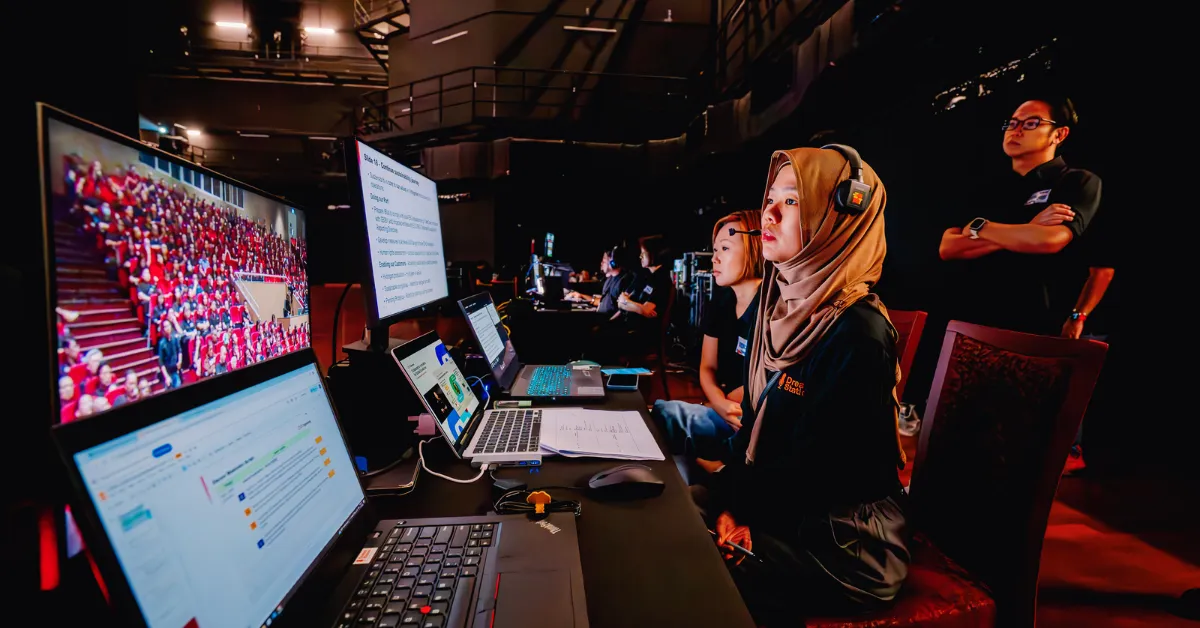
Best practice: Engage partners early in the planning stage so they can advise on feasibility, timelines, and risk mitigation, not just execution. To learn how professional support can streamline this process, explore our conference planning services designed to support organisers from strategy through delivery.
Most conference planning mistakes are preventable with clearer objectives, stronger processes, and the right support in place. By understanding where things commonly go wrong and planning proactively to avoid them, event planners can deliver successful conferences.
If you need expert support to streamline your next event, explore our professional conference services to see how we helps organisations plan, manage, and deliver conferences with confidence.



We’ll get back to you as fast as we can with availability and next steps.
"*" indicates required fields

Hong Kong
Vietnam
Philippines
Singapore
Thailand
Japan
UAE
Egypt
China
South korea
Malaysia

OUR GLOBAL PRESENCE