


Hong Kong
Vietnam
Philippines
Singapore
Thailand
Japan
UAE
Egypt
China
South korea
Malaysia





You spent months planning your exhibition. Yet, foot traffic barely trickled past your booth. The culprit? Your exhibition booth location.
Where you set up matters just as much as what you put on display. A poorly placed booth can go unnoticed regardless of how impressive your design is, while a well-positioned one draws crowds almost effortlessly. It’s one of the most overlooked decisions in exhibition planning, and one of the most consequential.
Choosing the right spot isn’t just about grabbing whatever space is available or defaulting to the cheapest option. It requires understanding visitor behavior, hall dynamics, and your own business goals.
In this guide, you’ll learn exactly how to evaluate and secure the best exhibition space. So, your next event works harder for you from the moment doors open.
At a busy exhibition, attendees rarely cover every corner of the floor. Research suggests that most visitors follow predictable movement patterns. If your booth sits outside those paths, you’re essentially invisible.
Your exhibition booth location directly influences:
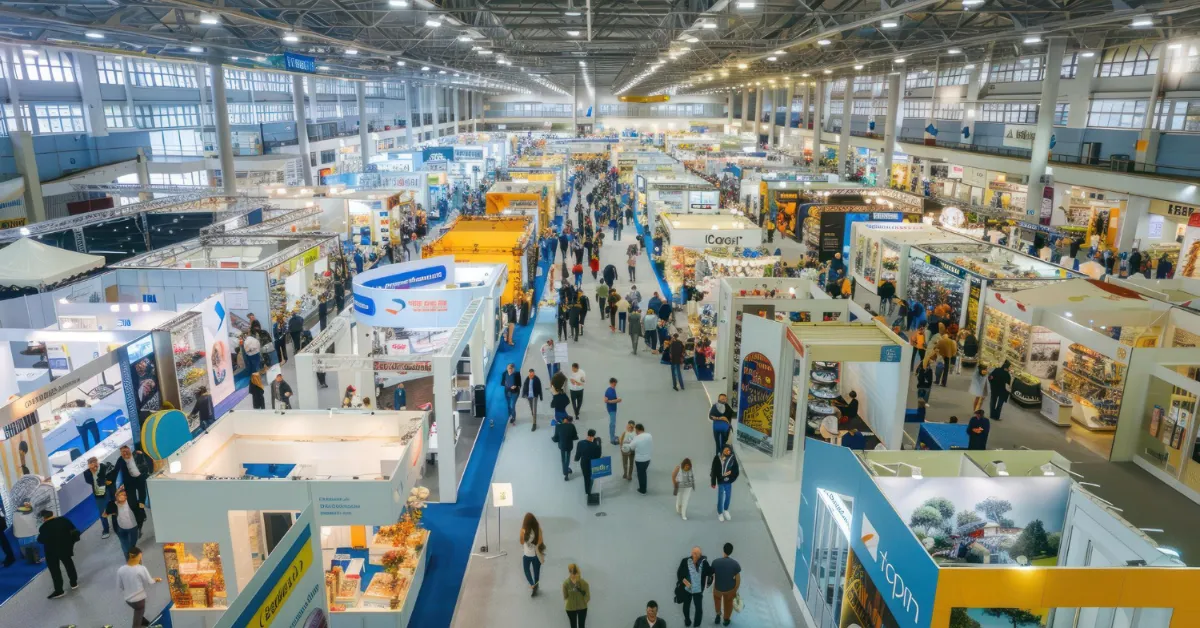
A great booth in the wrong spot will always underperform its potential. Location isn’t just a logistical decision; it’s a strategic one.
Securing a good exhibition booth location isn’t about luck. It’s about making informed decisions before the floor plan fills up. Here’s what to consider at each stage of the process.
Before you even look at a floor plan, get clear on what you want to achieve. Your goals should drive every location decision you make.
If brand awareness is the priority, you’ll want a high-visibility spot — near the entrance, along main corridors, or close to feature areas where footfall is heaviest.
If you’re focused on lead generation, the goal shifts slightly: you want a location where your target audience is likely to stop and engage, not just pass through.
Launching a new product or running live demos? You’ll need both space and sustained footfall, making corner or peninsula positions worth considering.
If networking is central to your objectives, proximity to lounges, seminar rooms, or catering areas can naturally bring the right people to you.
There’s no universally “best” spot — only the best spot for your specific goals.
Your exhibition space selection starts with a fundamental choice: shell scheme or space only.
Shell scheme booths come with a pre-built structure — walls, basic lighting, and a fascia board. They’re a practical, cost-efficient option, ideal if you’re working with a tighter budget or a smaller footprint.
Space only booths give you an empty floor area to build whatever you want from scratch. They offer full creative freedom and tend to work better for larger, high-impact displays.
Each option suits different goals, budgets, and location types within the exhibition hall. For a detailed breakdown of both, read our guide on Shell Scheme vs Space Only.
Once you’ve chosen your space type, the next consideration is orientation or how many sides of your booth are open to passing visitors. Different booth types offer different levels of exposure, and understanding them helps you match your layout to your location.
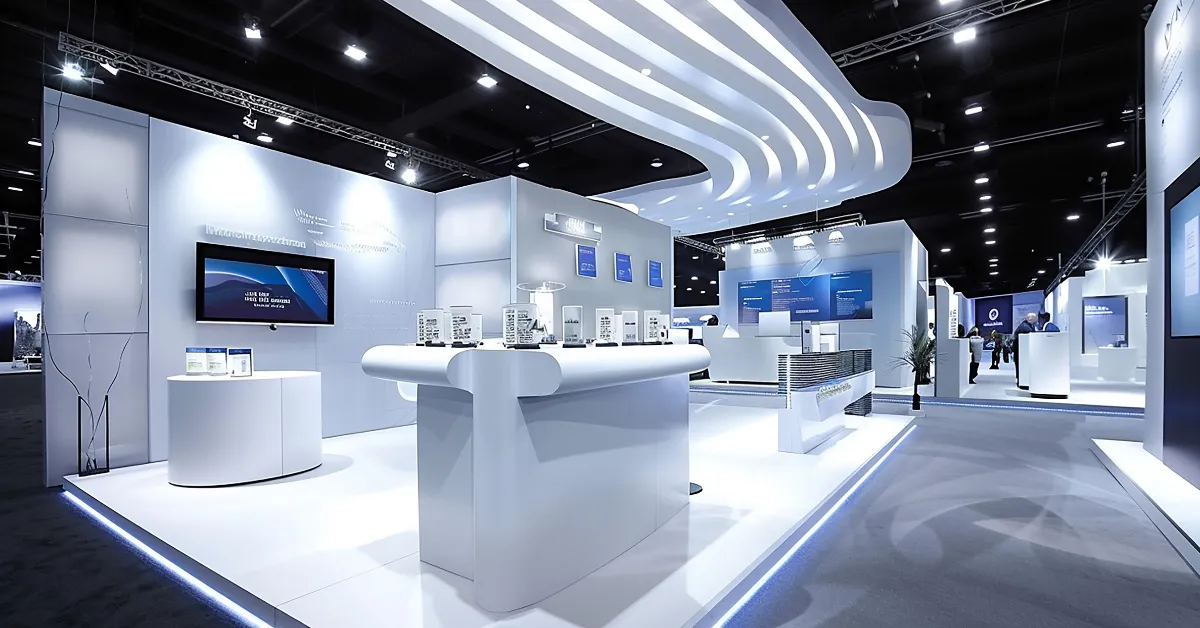
As a rule of thumb: the more open sides your booth has, the greater your visibility but also the greater the investment required.
Understanding how visitors actually move through an exhibition hall is one of the most underutilized advantages in choosing an exhibition space.
A few behavioral patterns worth knowing:
When you receive the floor plan, don’t just look at where your booth sits. Trace the likely paths visitors will take from entrance to exit. Then, assess how naturally your location falls along those routes.
Your immediate neighbors can make or break your exhibition stand location regardless of how good the spot looks on paper.
On competitors: Being placed next to a direct competitor isn’t always a disadvantage. If visitors are actively comparing options in your category, proximity can work in your favor, as long as your booth clearly differentiates you.
That said, being sandwiched between two dominant competitors with larger budgets and bigger stands can overshadow your presence.
On neighbors: Consider what neighboring booths will be doing. A company running loud activations, live demos, or performances next door can draw attention away from your space or create noise that disrupts your conversations. On the flip side, a high-traffic neighbor can act as a footfall feeder if positioned well.
When reviewing the floor plan, research who else is exhibiting. Ask the organizer about confirmed exhibitors nearby and use that information as part of your exhibition space selection decision.
A large, premium location won’t deliver results if your booth isn’t built to take advantage of it. Similarly, a highly designed booth will be wasted in a spot with little footfall.
Think of it as a balance: A small booth in a high-traffic zone can outperform a large booth in a quiet corner, provided the design is sharp and the team is well-prepared. A large booth in a low-traffic area may feel like a missed investment, regardless of how impressive the build is.
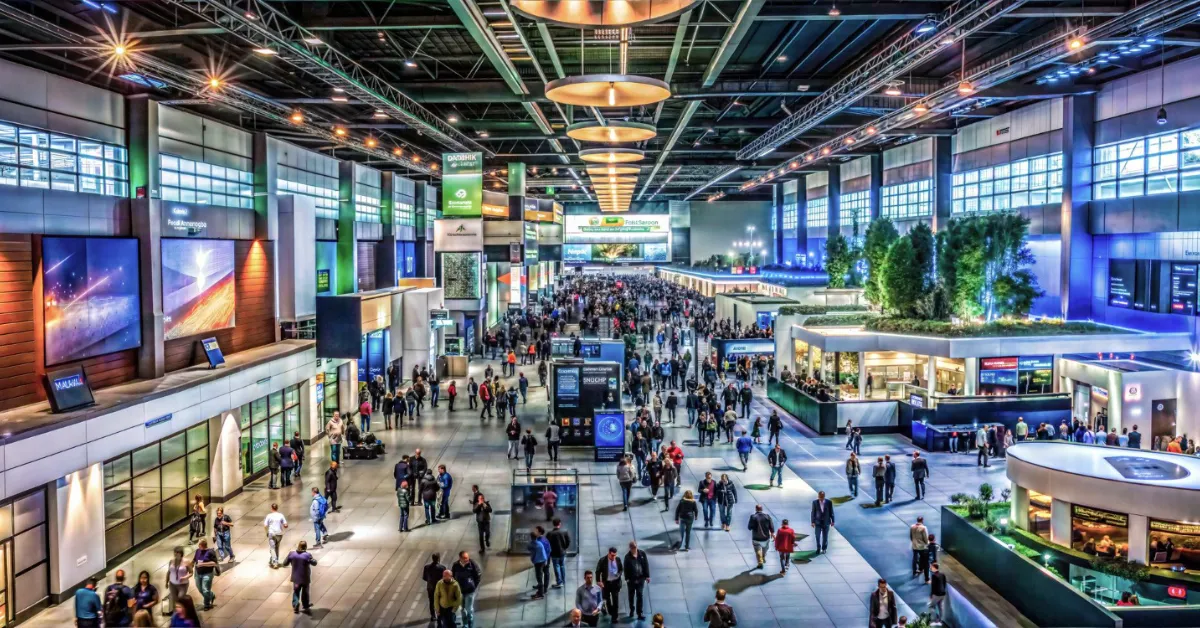
When evaluating the best exhibition stand location for your needs, factor in what you can realistically execute within that footprint. Your size, location, and activation strategy need to work together, not against each other.
Securing a strong exhibition booth location is only half the battle. How you activate that space determines whether the footfall you attract actually converts into meaningful engagement. Here’s how to make the most of wherever you’re positioned:

The best spots on any exhibition floor don’t stay available for long. Repeat exhibitors and major brands often lock in their preferred positions months in advance. If exhibition space selection is a priority, the time to act is well before you feel ready:
For large-scale international exhibitions, the booking window can open 12–18 months ahead. For regional or industry-specific shows, 6–9 months is a common lead time. The earlier you commit, the wider your choice of location and often, the more room you have to negotiate on terms.
Exhibition organizers want strong, well-presented exhibitors in prominent positions. It benefits the overall show.
Build a relationship with them early, communicate your goals clearly, and don’t hesitate to make a case for why a particular spot suits both you and the event. A collaborative approach often yields better placement than simply submitting a booking form.
Don’t evaluate spaces in isolation. Ask organizers for information on confirmed anchor exhibitors, expected high-traffic zones, seminar or feature area placements, and any structural considerations like pillars or low-ceiling areas. This context can significantly change how you assess a given exhibition booth location on the map.
If the venue is accessible before the event, visit in person. Walk the floor, identify where natural footfall is likely to flow, note any obstructions, and get a feel for the space that no floor plan can fully convey.
For recurring events held at the same venue, attending as a visitor the year before you exhibit is one of the most underrated forms of research available.
Even experienced exhibitors can fall into the same traps when selecting their spot on the floor. Here are the most common mistakes to avoid when making your exhibition booth location decision.
Choosing based on price alone: A cheaper space might look appealing on the budget sheet. But if it sits in a low-traffic corner with poor visibility, the cost savings will be quickly offset by underperformance. Evaluate location value in terms of potential return, not just the booking fee.
Ignoring traffic flow: Selecting a space without understanding how visitors move through the hall is one of the most costly oversights in exhibition planning. A booth that looks centrally positioned on a floor plan can still sit outside the natural paths most attendees will take.
Over-relying on design to compensate: A striking booth can capture attention but it can’t manufacture foot traffic that isn’t there. Design only enhances a good location. No amount of creative execution fully compensates for being placed where visitors simply don’t go.
Poor accessibility and obstructed positions: Structural pillars, low ceilings, awkward alcoves, and dead-end corners are all visibility killers. Always cross-reference your chosen spot against the venue’s structural floor plan. Be cautious of positions that look open on paper but are partially blocked in reality.
Misjudging competitor placement. Being positioned next to a dominant competitor with a significantly larger presence and budget can overshadow your booth entirely. Before confirming your space, research who is likely to exhibit nearby and assess whether the dynamic works in your favor or against it.
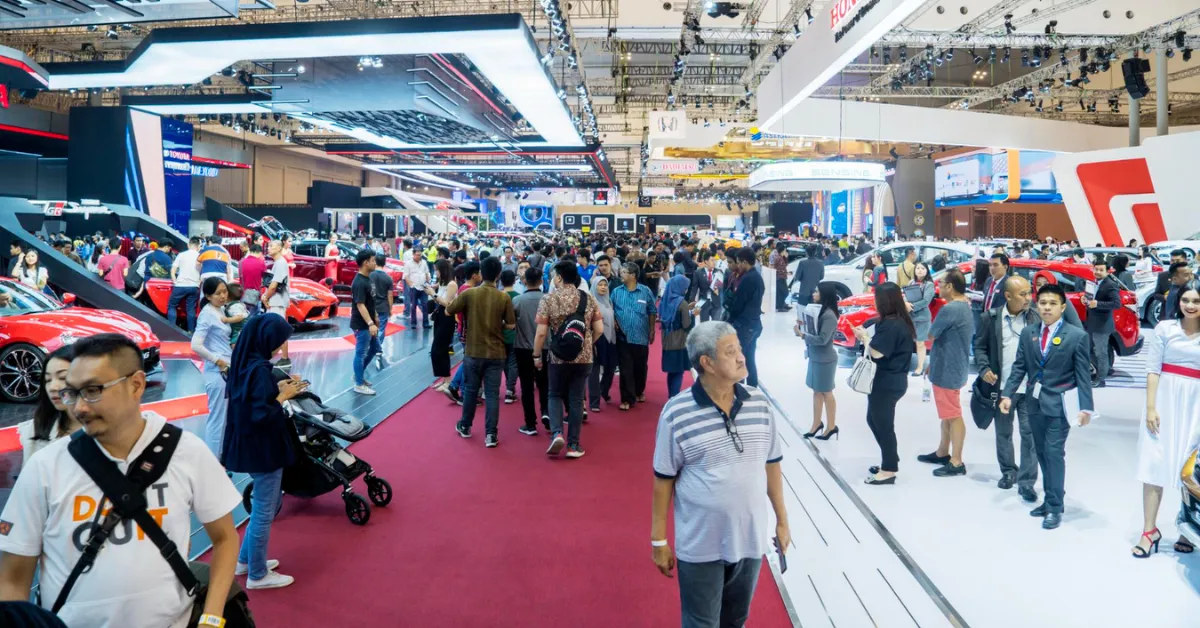
Choosing the right exhibition booth location is one of the most impactful decisions in your planning process. As this guide has covered, it goes far beyond picking a spot on a floor plan. Get the location right, and every other element of your exhibition has a much stronger foundation to perform from.
Of course, even the best location needs a booth that’s built to make the most of it. If you’re looking to create a display that commands attention and converts footfall into real results, our exhibition booth design service is here to help. Get in touch with our team to start planning your next exhibition presence.
Yes, significantly. Your location determines how much foot traffic passes by your booth, which directly impacts the number of conversations, leads, and conversions you generate. Location is one of the highest-leverage decisions you’ll make for any exhibition.
As early as possible. For large international shows, aim to book 12–18 months in advance. For smaller regional events, 6–9 months is a reasonable lead time. The earlier you book, the more location options you’ll have and the better your chances of securing a high-traffic spot.
There’s no single answer, as it depends on your goals. That said, positions near the main entrance, along primary aisles, or adjacent to anchor exhibitors and feature areas tend to generate the strongest footfall. Corner and peninsula orientations offer a good balance of visibility and cost for most exhibitors.
For most exhibitors, yes. A corner booth opens two sides to passing traffic, increasing visibility and accessibility without the full investment of a peninsula or island position. If your budget sits between an inline and a larger format, a corner spot is often the most cost-effective upgrade you can make.
Absolutely. If you’ve exhibited before, review which locations delivered the most foot traffic and leads. Many organizers also share post-event attendance data and visitor flow reports. Combining your own performance history with organizer insights gives you a much stronger basis for exhibition space selection than intuition alone.



We’ll get back to you as fast as we can with availability and next steps.
"*" indicates required fields

Hong Kong
Vietnam
Philippines
Singapore
Thailand
Japan
UAE
Egypt
China
South korea
Malaysia

OUR GLOBAL PRESENCE