


Hong Kong
Vietnam
Philippines
Singapore
Thailand
Japan
UAE
Egypt
China
South korea
Malaysia





Choosing a conference venue is one of the most critical decisions an event planner makes, as it directly impacts the overall event success. From our experience managing conferences of all scales, the right venue does far more than provide a space.
In this guide, you’ll gain:
Keep reading to learn how to choose a conference venue with confidence and set your event up for success.
Choosing a conference venue is not just a logistical decision, it plays a strategic role in shaping how your event is experienced. From a project management perspective, the right venue supports smoother execution and stronger outcomes across the board.

Ultimately, choosing the right conference venue sets the foundation for a well-run event, allowing planners to focus on delivering value.
When choosing a conference venue, it’s important to evaluate more than just availability and price. The following key factors help event planners assess whether a venue can truly support their conference.
Location has a direct impact on attendance, punctuality, and overall delegate experience. Venues situated near public transport hubs, business districts, and accommodation options are generally more convenient for attendees.
Accessibility goes beyond location and looks at how easily attendees can navigate the venue itself. This includes step-free access, lifts, clear signage, and logical layouts that support smooth movement between sessions. This helps ensure an inclusive and stress-free experience for all participants.
The venue must comfortably accommodate your expected delegate numbers without feeling overcrowded or underutilised. Beyond the main conference hall, consider the availability of breakout rooms, networking areas, registration space, and exhibition zones.
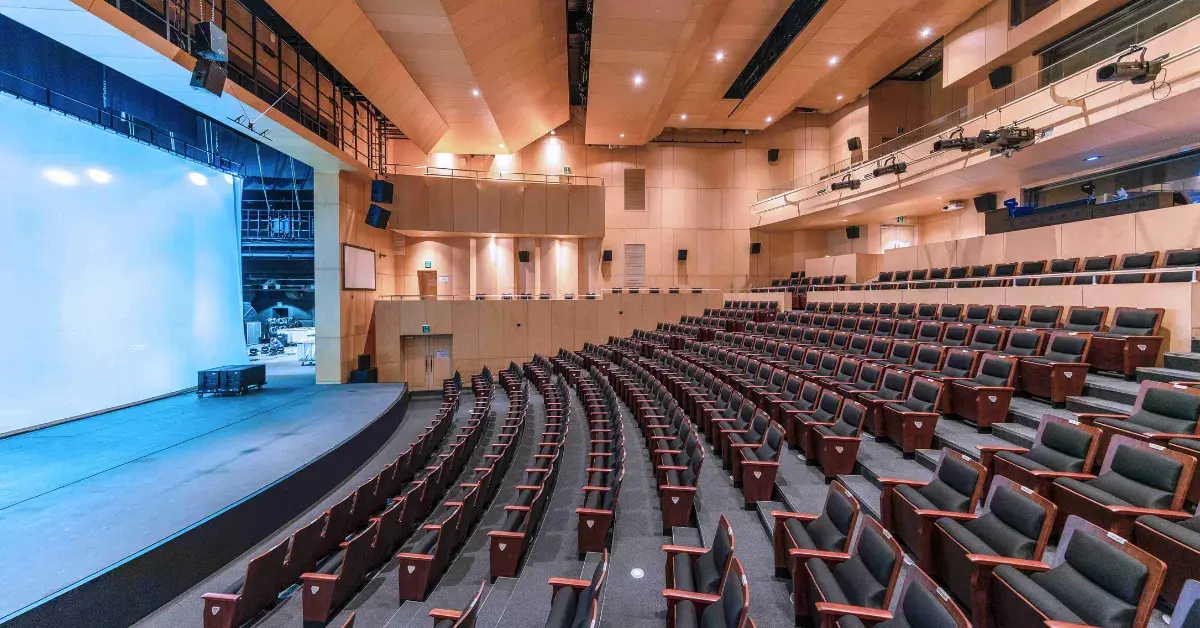
A well-planned layout supports smooth crowd flow and keeps the event running on schedule.
While budget is always a key consideration, clarity is just as important as cost. We often advise planners to look beyond the headline venue rental fee and understand what is included, such as AV support or furniture. Transparent pricing helps prevent unexpected expenses and makes it easier to compare venues fairly.
A conference-ready venue should be equipped with reliable AV systems, strong WiFi, and suitable lighting and acoustics. On-site amenities such as catering facilities, green rooms, and organiser offices can significantly improve event-day efficiency. These features reduce the need for external suppliers and simplify coordination.
Before choosing a conference venue, event planners need a clear understanding of what the event requires to function effectively. Defining your needs early makes it easier to shortlist venues that truly align with your conference.
Clear objectives guide every venue-related decision, from room setup to technical requirements. Whether the conference is focused on knowledge sharing, networking, product launches, or leadership alignment will influence the type of venue and layout needed.

The event format such as single-day, multi-day, hybrid, or multi-track, also determines space flow and infrastructure requirements.
Understanding who will attend helps ensure the venue matches their expectations and comfort levels. Factors such as audience size, seniority, industry background, and whether attendees are local or international all affect venue suitability.
Aligning the venue experience with your audience profile leads to higher engagement and better overall event feedback.
When choosing a conference venue, operational and logistical factors often determine how smoothly the event runs on the day. These considerations affect setup efficiency, risk management, and the planner’s ability to respond to on-site challenges.
Strong on-site venue support can make a significant difference during setup and live event execution. Venues with experienced event teams, technical crew, and clear communication processes help resolve issues quickly.
From a project manager’s perspective, this level of support reduces risk and planning stress.
A conference venue should allow sufficient flexibility for branding and customisation to reflect your organisation’s identity. This includes options for stage backdrops, digital screens, signage, and experiential touchpoints.
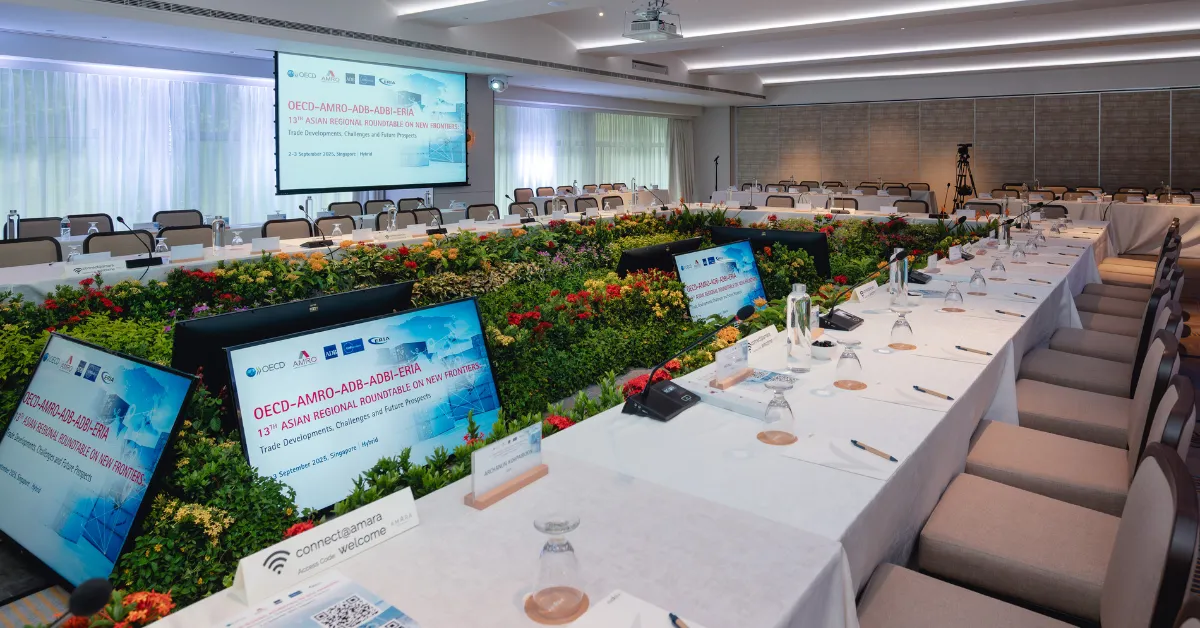
Clear guidelines on what is permitted help planners design impactful environments without last-minute surprises.
Compliance and safety should never be an afterthought when selecting a venue. This includes fire safety regulations, crowd management plans, insurance coverage, and accessibility provisions for attendees with special needs. These measures help minimise risk while ensuring a safe and accessible experience for all attendees.
A clear and consistent evaluation process makes it easier to narrow down suitable options and avoid decision fatigue. From our experience, comparing conference venues side by side helps planners identify practical strengths and limitations early on.
A disciplined shortlisting approach ensures that the final venue selection is based on suitability and value, not just availability or cost.
Even experienced planners can run into challenges when choosing a conference venue, especially when timelines are tight or options are limited. Being aware of common mistakes helps reduce risk and prevents avoidable issues during planning and on event day.
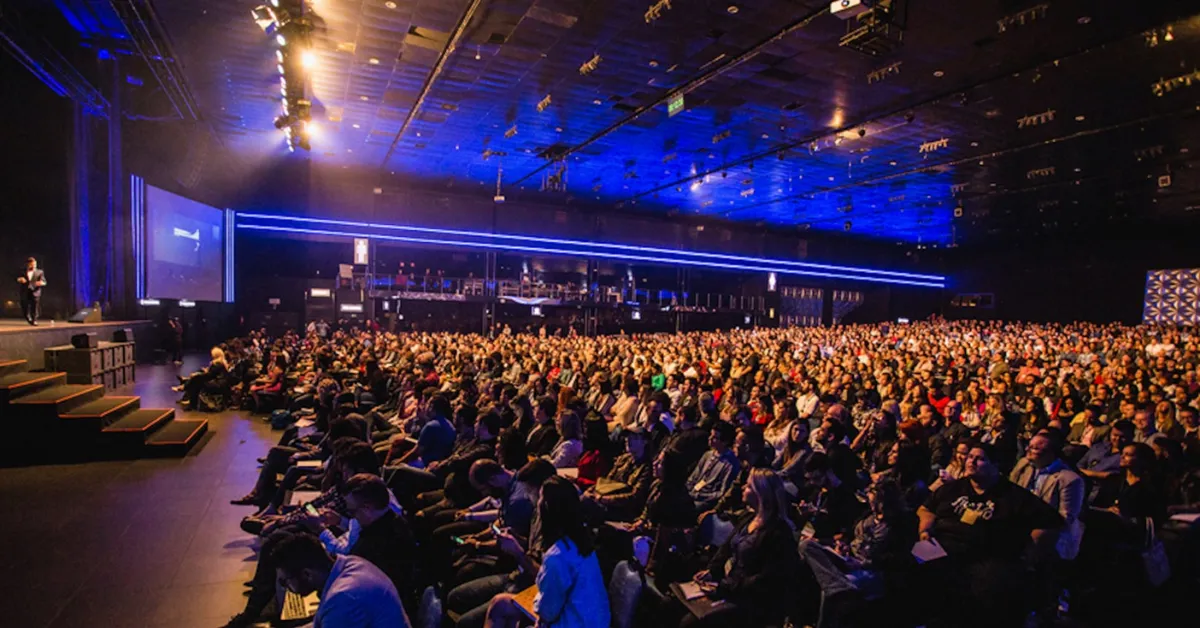
Avoiding these mistakes allows planners to select venues more confidently and deliver conferences that run smoothly from start to finish.
As a final step, having a clear checklist helps event planners review all essential criteria before making a commitment. When choosing a conference venue, this summary ensures that nothing critical is overlooked during the decision-making process.
Using this checklist allows planners to make informed decisions and move forward with confidence, knowing the selected venue can fully support a successful conference.
If you want added confidence, working with an experienced conference planning partner can simplify this entire process. At Dream Station, we support clients organizing conferences that align with the event’s objectives, budget, and timeline. This allows teams to focus on content and engagement while we manage the operational complexity.
Choosing a conference venue is a strategic decision that directly impacts overall success. With a clear understanding of your priorities, event planners can select venues that support both operational needs and event objectives. For expert support on venue selection, explore our conference planning services to ensure your conference is handled with confidence and precision.



We’ll get back to you as fast as we can with availability and next steps.
"*" indicates required fields

Hong Kong
Vietnam
Philippines
Singapore
Thailand
Japan
UAE
Egypt
China
South korea
Malaysia

OUR GLOBAL PRESENCE