


Hong Kong
Vietnam
Philippines
Singapore
Thailand
Japan
UAE
Egypt
China
South korea
Malaysia





Seminars often bring together participants who may not know one another or arrive with varying levels of energy. Starting strong is critical, and the right icebreakers for seminars can shift the room from passive to engaged within minutes.
In this guide, you will find 20 practical, easy-to-run ideas organised by group size and seminar format. These icebreakers are designed to help you build connection, boost energy, and set the tone for a productive seminar experience.
Choosing the right icebreaker sets the tone for your seminar and helps participants ease into the session with confidence and focus. Before selecting an activity, consider the following factors to ensure the experience aligns with your audience and seminar objectives:

By evaluating these factors upfront, you can choose an icebreaker that effectively prepares participants for an engaging session ahead.
These fast, low-pressure icebreakers are ideal for tight agendas and audiences that need a gentle warm-up. They require no materials, take only a few minutes to run, and help participants shift into a ready-to-learn mindset. Below are simple activities you can use at the start of a seminar or after a break to quickly reset the room’s energy.
This quick warm-up helps participants settle in and mentally shift into seminar mode. It works well because it requires minimal effort, yet it creates an immediate sense of shared presence in the room.
Duration: 1–2 minutes
Group size: Any
How to do it: Ask participants to think of one word that reflects how they feel or what they hope to gain from the session. Invite a few volunteers to share their word with the room, or ask participants to exchange words with the people seated next to them. Keep the pace brisk to maintain a light, energising tone.
This is a quick, low-pressure activity that gets the room moving without requiring anyone to speak. It works well because it gives participants an easy way to participate and see what they have in common with others.
Duration: 2–3 minutes
Group size: Any, especially medium to large groups
How to do it: Prepare a few light, relevant statements such as “Raise your hand if this is your first seminar of the year” or “Raise your hand if you had coffee this morning.” Read them out one by one, allowing participants to respond instantly. Choose prompts that are simple, inclusive, and connected to your seminar theme to gently warm up the room.

Speed polling is a fast-moving way to energise the room while gathering quick insights about your audience. It works because it encourages instant participation and helps the facilitator gauge the group’s baseline perspective.
Duration: 2–3 minutes
Group size: Any, especially large seminar groups
How to do it: Present a series of short poll questions relevant to your seminar—these can be shown on screen or asked verbally. Participants respond by raising their hands, standing up, or choosing between simple options such as A/B/C. Keep the questions light and rapid to maintain momentum, and use the results as a smooth transition into your seminar content.
Icebreaker bingo is an engaging way to get participants talking to people they may not know. It works well because it turns simple introductions into a light, goal-driven activity.
Duration: 3–5 minutes
Group size: Medium to large groups
How to do it: Prepare a simple bingo card with prompts such as “Has attended this seminar before,” “Works in marketing,” or “Loves coffee.” Participants circulate and find others who match each prompt, aiming to complete a row. For large seminars, you can shorten the activity by asking participants to complete just one line before returning to their seats.
These icebreaker games add a playful element to your seminar while keeping the atmosphere professional and inclusive. Use these activities when you want to lift the room’s energy, break formal tension, or create a positive start.
This classic conversation game introduces a playful tone without feeling childish. It works because participants can engage instantly, compare choices, and enjoy light moments of debate.
Duration: 3–5 minutes
Group size: Any
How to do it: Create a set of “Would you rather” questions relevant to your audience or seminar topic. For instance, you could ask participants to choose between two learning formats, like “Would you rather attend a hands-on workshop or a lecture-style session?” Read each question aloud and have participants indicate their choice by raising their hands or moving to one side of the room.
A light competition instantly energises the room, and trivia works especially well because it encourages teamwork without putting pressure on any individual. It also creates an easy entry point for participants who may not know each other yet.
Duration: 5 minutes
Group size: Small groups or tables
How to do it: Prepare 3–5 trivia questions related to your seminar theme, industry, or general knowledge. Ask participants to form quick groups with the people around them and discuss their answers. Collect responses by a show of hands or through a quick reveal on screen. Keep the scoring simple and celebrate the winning group with a small acknowledgement to maintain a light, fun atmosphere.
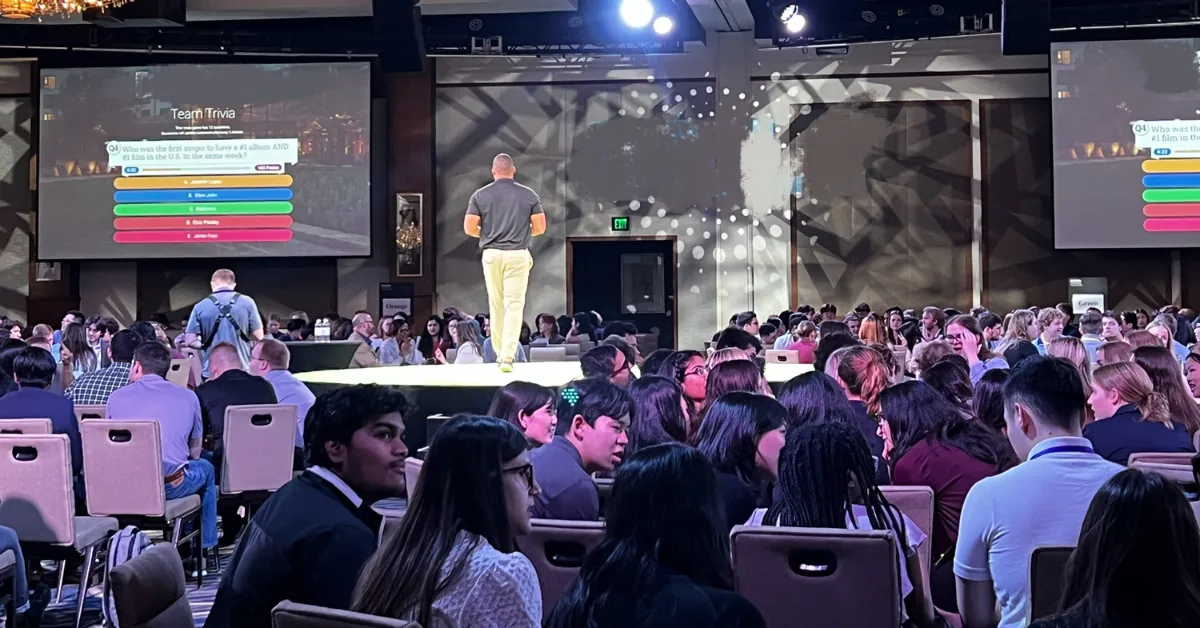
This activity adds a playful twist to personal introductions. It encourages participants to share something about themselves while sparking curiosity and quick conversation.
Duration: 4–5 minutes
Group size: Small groups or tables
How to do it: Ask participants to form groups of three to five. Each person shares two true facts and one false statement about themselves. The group then guesses which one is the lie. Keep the sharing rounds short to maintain momentum, and encourage participants to choose statements that are simple and appropriate for a professional seminar setting.
This activity helps participants quickly discover shared interests or experiences, making it ideal for building rapport among people who have just met.
Duration: 5 minutes
Group size: Any size (works best in small clusters)
How to do it: Ask participants to gather in groups of three to six and challenge them to identify three things they all have in common. Encourage them to think broadly (e.g., hobbies, favourite foods, travel destinations, work experiences). Once a group finds their three commonalities, they can raise their hands or share one with the room.

Interactive ice breakers are designed to get participants actively engaged from the start. These activities help break down initial barriers, encourage quick collaboration, and build momentum for the rest of the seminar.
A lively, movement-based activity that gets participants interacting quickly. It works well for warming up the room and helping people discover shared traits or experiences.
Duration: 10–15 minutes
Group size: 20–80 participants
How to do it: Create bingo cards featuring prompts relevant to your audience, such as “Has attended a seminar in the past year,” or “Has experience in leadership roles.” Distribute the cards and ask participants to circulate, finding others who match each prompt and noting their names on the grid. The goal is to complete a row or full card, depending on the time available.
A collaborative creativity exercise that quickly energises the room. Participants must listen actively, think on their feet, and build on others’ ideas.
Duration: 8–12 minutes
Group size: 10–60 participants
How to do it: Invite participants to form a circle or small groups. Start with a single opening line such as “This morning, something unexpected happened at the seminar…” Each person then adds one sentence to continue the story. Keep the pace brisk so contributions stay spontaneous rather than overthought. After one or two rounds, conclude the story and optionally share a few standout moments with the whole room.

A hands-on problem-solving activity that sparks teamwork, creativity, and light competition. It works especially well for energising mid-day sessions or transitioning into collaboration-focused content.
Duration: 10–15 minutes
Group size: 12–80 participants (teams of 4–6)
How to do it: Provide each team with simple materials such as dry spaghetti, tape, string, and one marshmallow. Their task is to build the tallest free-standing tower that can support the marshmallow on top. Give teams a clear time limit and encourage quick prototyping rather than over-planning. Once time is up, measure each structure and celebrate both the tallest tower and the most creative designs.
A dynamic, discussion-driven activity that encourages participants to think on their feet while gaining insight into how others would handle real-world challenges. It is especially effective for seminars focused on leadership, customer experience, problem-solving, or cross-functional collaboration.
Duration: 8–12 minutes
Group size: 10–80 participants (small groups of 3–5)
How to do it: Prepare a set of short, relevant scenarios aligned with your seminar topic. Distribute one scenario to each group and give them a few minutes to discuss possible responses or solutions. Afterward, have groups swap scenarios with another team and repeat the exercise, forcing them to adapt to a new situation quickly.
Large audiences require activities that are simple to execute, highly visible, and capable of creating collective energy. The following icebreakers are designed to engage hundreds of participants at once and create an sense of connection across the room.
For facilitators managing large rooms, this activity provides a fast, low-prep way to involve everyone at the same time. The simple visual responses make it easy to assess opinions or warm up the crowd.
Duration: 2–4 minutes
Group size: Suitable for 50 to several hundred participants
How to do it: Give participants coloured cards (or simply use hands-up responses if materials are limited). Pose a series of quick questions—these can be topic-related, opinion-based, or just fun warm-ups. Assign a meaning to each colour or gesture (e.g., red for yes, blue for no) and have the audience respond in unison. Keep the pace brisk to maintain energy and create visually striking moments as the room moves together.

Large seminars can feel impersonal, with many participants hesitant to speak. Group shout-outs solve this by giving everyone a chance to respond together, reducing pressure and creating an immediate sense of shared presence.
Duration: 2–3 minutes
Group size: Suitable for 50 to several hundred participants
How to do it: The facilitator calls out a simple prompt, such as a shared goal, a common challenge, or a fun category. Participants respond aloud together on cue. Start with light, low-pressure prompts and progress to those that support the seminar theme. The energy peak created by simultaneous responses helps set a lively, collaborative tone for the rest of the session.
As the first section rises, the room shifts from stillness to movement, creating a wave of energy that ripples across the audience. The visual effect captures attention immediately and sets an upbeat tone for the session.
Duration: 1–2 minutes
Group size: Suitable for 50 to several hundred participants
How to do it: Divide the room into broad sections—front to back, left to right, or by colour zones if assigned. Cue one section to stand and cheer briefly, then sit as the next section follows, creating a smooth “wave” across the room. You can repeat the wave in reverse or speed it up to increase excitement. This quick burst of coordinated movement recharges attention and unifies the audience through a fun, collective gesture.
This activity quickly harmonises a large group and builds a sense of unity through sound. The synchronized clapping creates a shared rhythm that boosts energy without requiring movement or materials.
Duration: 1–2 minutes
Group size: 50 to several hundred participants
How to do it: Ask participants to start clapping at a slow pace, then cue them to speed up until the entire room reaches a unified rhythm. You can introduce variations, such as alternating clap patterns, to keep the engagement high and the room responsive.

Virtual and hybrid settings require activities that are simple to join, visually engaging, and capable of overcoming screen fatigue. The following icebreakers are designed to help remote and in-person attendees feel equally included.
As participants start uploading photos, the screen fills with snapshots that instantly personalise the virtual room. This visual activity helps everyone feel more connected despite being in different locations.
Duration: 3–5 minutes
Group size: Any virtual or hybrid audience size
How to do it: Invite participants to upload a photo based on a simple prompt—such as their workspace view, a favourite object on their desk, or something that represents their mood. Display the submissions on a shared screen or collaborative board. Highlight a few images to spark light conversation before transitioning into the seminar.
This quick activity captures the emotional temperature of the room in seconds. It helps facilitators understand participant energy while giving attendees an easy, low-effort way to express themselves.
Duration: 1–2 minutes
Group size: Any virtual or hybrid audience size
How to do it: Ask participants to drop an emoji in the chat that reflects how they are feeling. Offer a few examples to prompt variety. Read out or comment on some of the recurring themes to create a sense of shared sentiment and acknowledge the group’s mood.
For facilitators seeking a playful way to break the monotony of virtual sessions, this activity adds audio-based interaction that instantly piques curiosity.
Duration: 3–5 minutes
Group size: Any virtual or hybrid audience size
How to do it: Play a short sound clip, such as a household item, nature sound, or office noise, and ask participants to guess what it is using the chat or polls. Use a mix of easy and tricky sounds to keep things engaging. Reveal the answers after each round and celebrate correct guesses.
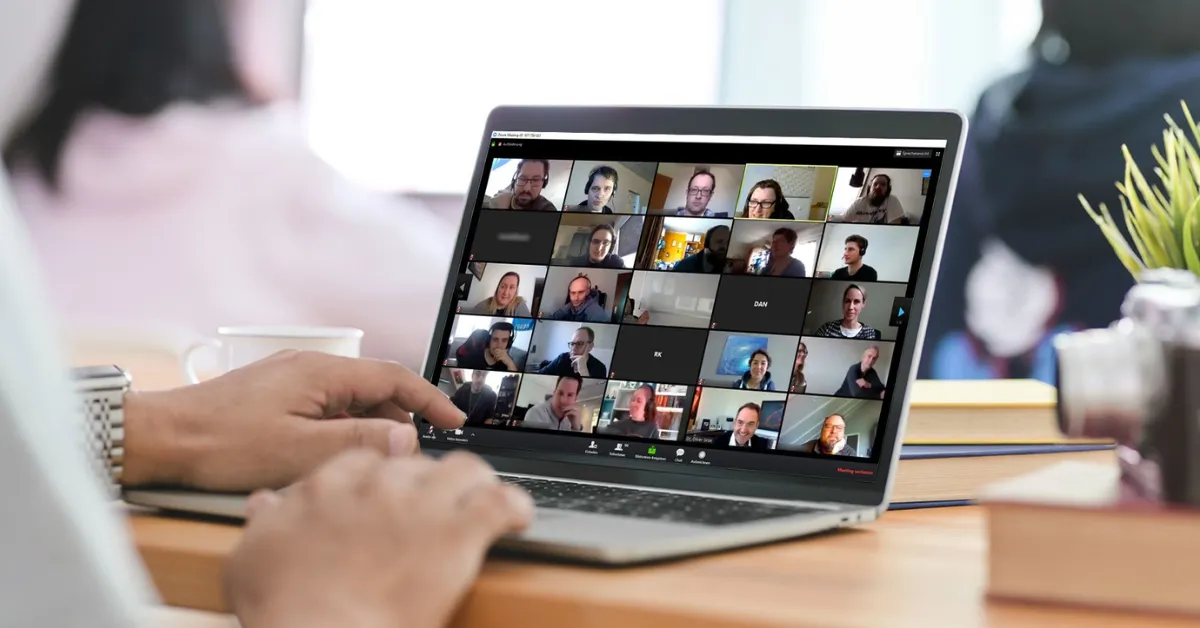
Virtual seminars often suffer from static, passive participation. A quick scavenger hunt solves this by prompting movement and injecting spontaneity into the session.
Duration: 3–6 minutes
Group size: Any virtual or hybrid audience size
How to do it: Give participants one item at a time to find, such as something red, something that smells nice, or something that represents their hobby. Allow 20–30 seconds per item, then have them show it on camera. Encourage quick commentary or reactions to build connection and momentum.
With these 20 icebreakers across different formats and group sizes, you now have a versatile toolkit to energise any seminar. The next step is ensuring you facilitate them smoothly so they land well with your audience.
Executing an icebreaker effectively is just as important as selecting the right one. The following best practices will help you facilitate each activity with confidence and ensure it lands well with your audience.
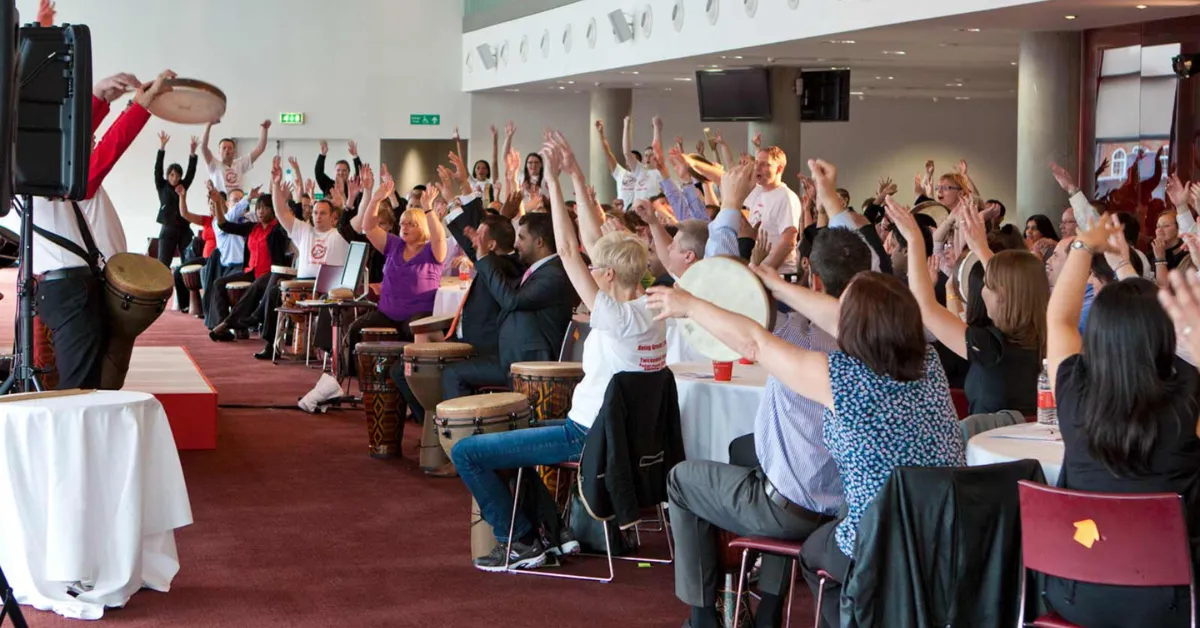
With these facilitation tips in mind, your chosen icebreakers will feel more intentional, polished, and seamless.
Choosing the right icebreakers for seminars can significantly elevate audience engagement, set the tone for learning, and create a more connected room. With the 20 ideas outlined above, along with practical facilitation tips, you now have a complete toolkit to energise your session.
If you are planning a seminar and want professional support in creating a seamless, high-impact experience, our team can help. Explore our seminar management services to see how we can support your planning, execution, and on-site engagement strategies.



We’ll get back to you as fast as we can with availability and next steps.
"*" indicates required fields

Hong Kong
Vietnam
Philippines
Singapore
Thailand
Japan
UAE
Egypt
China
South korea
Malaysia

OUR GLOBAL PRESENCE