



Hong Kong
Vietnam
Philippines
Singapore
Thailand
Japan
UAE
Egypt
China
South korea
Malaysia
BY FELIX TRAN • 26 AUGUST 2026
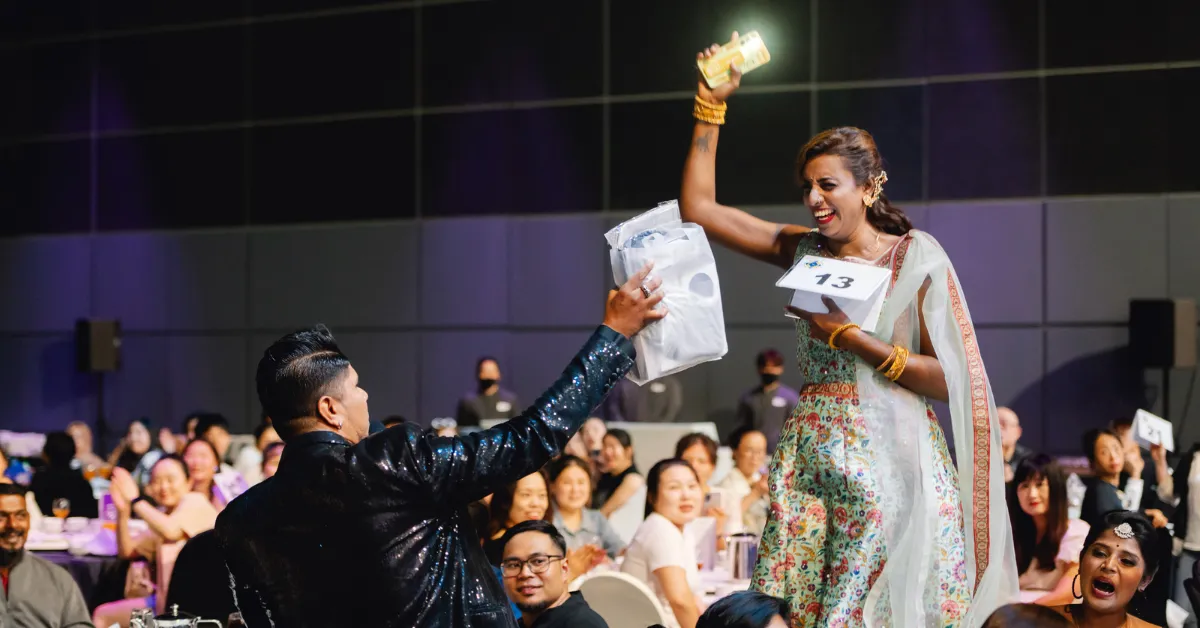
Everyone waits for one moment at a company annual dinner: the lucky draw. It’s the part of the night where the room goes quiet, phones come out, and names get called.
The problem? Most organisers either run out of fresh lucky draw ideas for annual dinner or blow the whole budget on one flashy prize, leaving the rest of the night flat.
In this guide, we’re breaking down 30 lucky draw prize ideas, organised by budget tier, plus the formats and timing that keep guests engaged from the first name drawn to the last. By the end, you’ll have a ready-to-use plan, not just a wish list.
The best lucky draws aren’t built prize-by-prize. They’re built tier-by-tier.
Split your budget into three levels: Grand/Headline prizes, Mid-Tier prizes, and Consolation prizes. This mirrors how most successful corporate draws are structured, and it’s the single biggest thing missing from most “prize idea” lists online.
As a rough guide for the Singapore/APAC market:
Most companies put 60–70% of their total prize budget into mid-tier and consolation prizes. This keeps win rates high and energy up, while saving the rest for one or two prizes that get people talking.
For a 100-guest dinner, a workable spread looks like: 1–2 grand prizes, 6–8 mid-tier prizes, and 20+ consolation prizes. That way, roughly a quarter of the room walks away with something.
Set your total prize budget first, then allocate it across the three tiers before you start sourcing individual items. It’s a small planning step that prevents overspending on the “wow” prize and underspending on everything else.
Grand prizes are what people remember the next day. They should feel aspirational, but still appeal to a broad mix of guests, not just one interest group.
Ten ideas that consistently perform well:
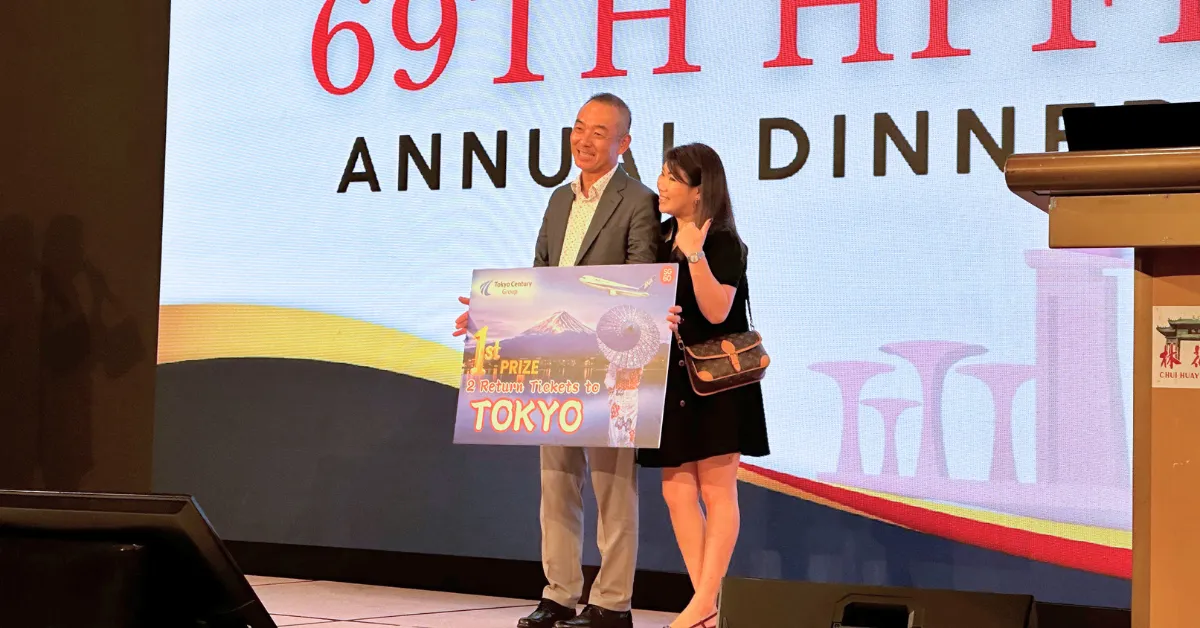
A staycation voucher is a strong pick because it suits almost everyone — single employees, couples, and parents alike. It’s an experience, not just an object, so it tends to spark more excitement in the room than another gadget.
Cap your grand prizes at one to three items. Any more and they stop feeling exclusive, which quietly deflates the moment they’re meant to create.
Mid-tier prizes do the heavy lifting. Most winners on the night will fall into this tier, so practicality matters more than novelty here.
Ten reliable mid-tier ideas:
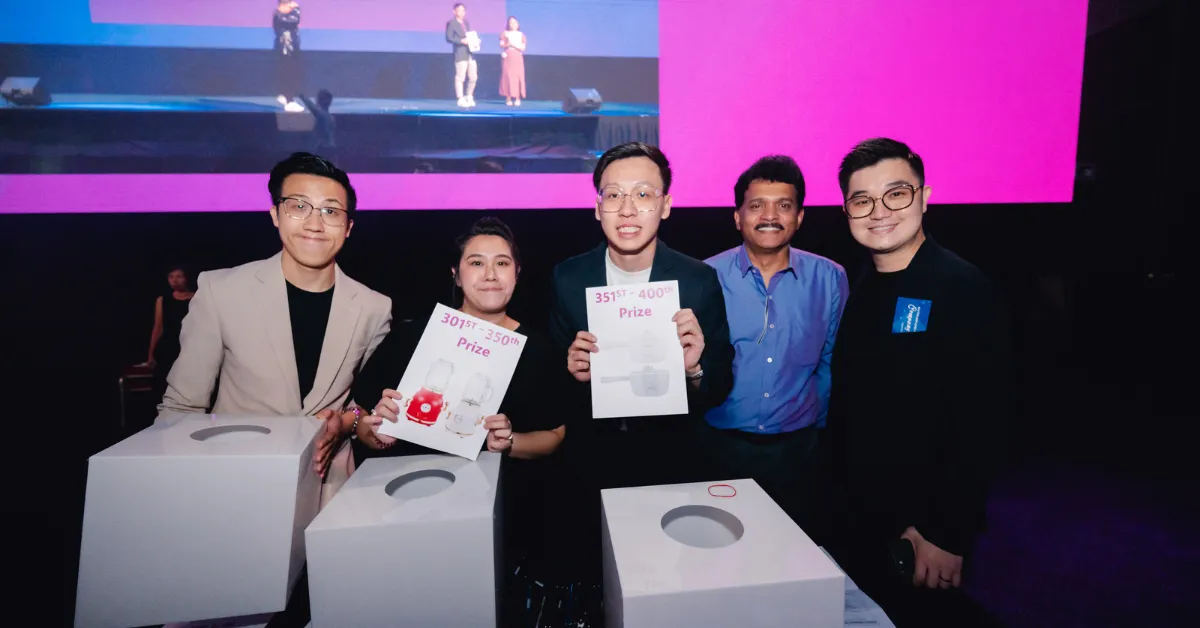
Favour items people will actually use over things that look impressive but sit in a drawer. A good insulated tumbler, for example, gets used daily and if it’s customised, it doubles as a quiet reminder of the company that gave it.
Aim for enough variety across this tier that different guests, from tech-lovers to foodies, each find something appealing among the mix.
Consolation prizes matter more than most organisers give them credit for. They’re what keep the majority of the room engaged, since they’re the prizes most guests will actually win.
Ten consolation ideas that punch above their price:
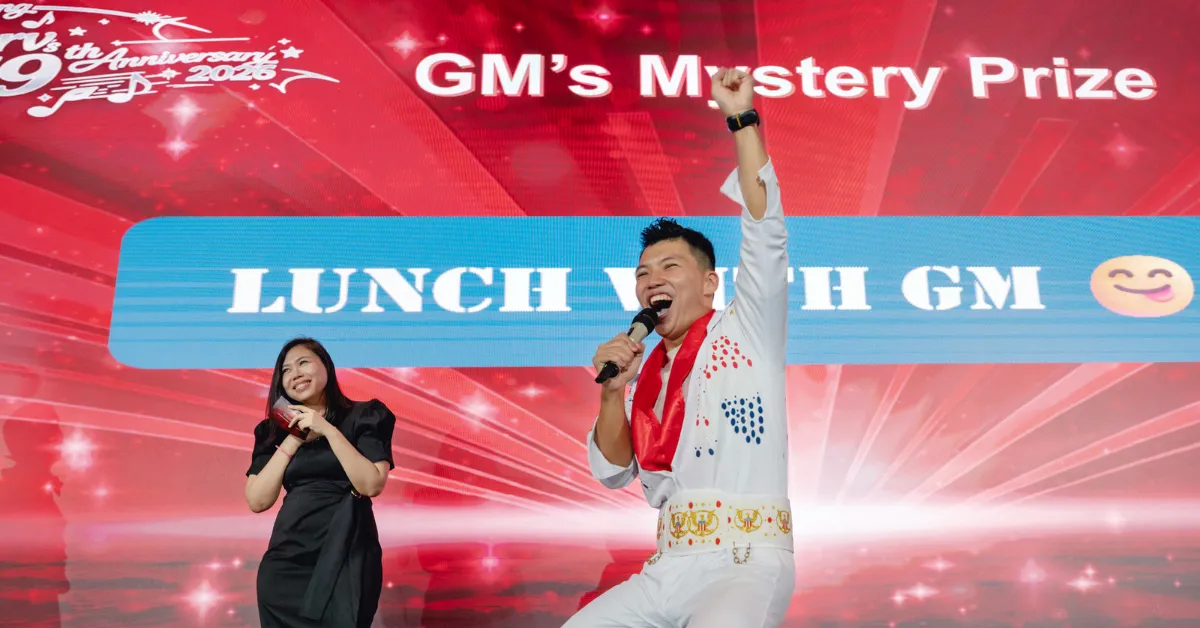
Mystery boxes are worth calling out specifically. Because the contents stay hidden until opened, they create the same anticipation as a bigger prize at a fraction of the cost.
As a rule of thumb, aim for enough consolation prizes that at least half your guests win something. It’s a small detail that has an outsized effect on how “generous” the whole night feels.
Prizes get people excited. Format is what keeps them watching.
A few formats worth considering:
Displaying a digital randomiser on screen works especially well for larger crowds. It builds suspense while giving the audience something visual to watch, rather than staring at a host reading a slip of paper.
Match the format to your venue’s AV setup and your guest count. Digital displays suit bigger ballrooms and D&Ds; a physical bowl draw works better for smaller, more intimate dinners where guests are closer to the stage.
Even great prizes fall flat if the timing is off. This is the part most “prize idea” lists skip entirely, and it’s often the difference between a draw that holds the room and one that empties it.
Two things matter most: pacing and fairness.
On pacing: don’t save every prize for one long block at the end of the night. By that point, some guests are tired or have already left. Instead, space draws across the evening:
On fairness: guests notice when a draw feels unclear or rushed. Keep it simple:
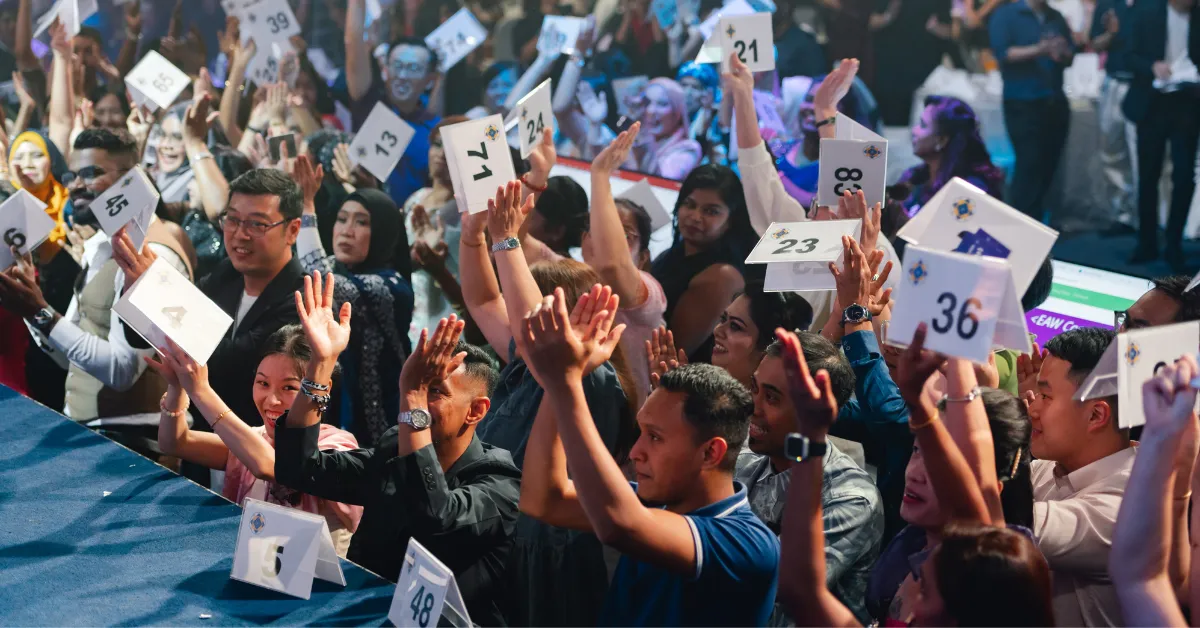
Building the draw into your overall run-of-show — not bolting it on as an afterthought — is what keeps guests seated and engaged until the final prize is called.
This is exactly the kind of detail Dream Station’s team plans for when running full dinner and dance programmes end-to-end, sequencing draws, performances, and games so the energy builds instead of dipping.
If you’re also planning the rest of your programme, our guide to 30 dinner and dance games to keep guests entertained pairs well with your lucky draw segment.
A memorable annual dinner lucky draw isn’t just a long list of gift ideas. It’s a tiered prize budget, matched to the right format, run at the right moments across the night.
Structure your grand, mid-tier, and consolation prizes first. Then choose a format that suits your venue and guest count, and space your draws across the programme instead of front- or back-loading them. Get those three things right, and your lucky draw won’t just fill time between courses. It’ll be the part of the night everyone talks about afterwards.
If you’re planning your company’s annual dinner in Singapore or across APAC, we are happy to help plan everything from prize sourcing to the full run-of-show.
We'll get back to you as fast as we can with availability and next steps.


Hong Kong
Vietnam
Philippines
Singapore
Thailand
Japan
UAE
Egypt
China
South korea
Malaysia

OUR GLOBAL PRESENCE