


Hong Kong
Vietnam
Philippines
Singapore
Thailand
Japan
UAE
Egypt
China
South korea
Malaysia





Planning a successful seminar requires careful coordination, clear objectives, and attention to detail. Effective seminar planning ensures that your content resonates with attendees, logistics run smoothly, and the overall experience is impactful.
In this guide, we walk you through a structured, step-by-step approach to organising a seminar. With practical tips and professional insights, this post will help you plan a seminar that delivers results and leaves a lasting impression.
Before diving into the logistics, it’s essential to set a clear foundation for your seminar planning. Clarifying your objectives, audience, scope, and responsibilities early will guide every decision and help you deliver a focused, well-structured seminar.
Clear objectives are the foundation of effective seminar planning. They determine the seminar’s direction, shape your agenda, and ensure every decision supports a measurable outcome.
Start by identifying the core purpose of the seminar. Are you educating attendees on a technical topic, introducing a new programme, or driving stakeholder alignment? From there, translate the purpose into specific, actionable objectives. For example:

Well-defined objectives help you choose the right speakers, structure the content flow, length, and format of the seminar. Additionally, these objectives provide a clear reference point to measure the seminar’s effectiveness.
Understanding who your seminar is for is essential to shaping relevant, compelling content. Your target audience will influence almost every planning decision, from topic selection and speaker choice to venue configuration.
Start by defining the primary attendee group. Consider their level of knowledge, pain points, and what they expect to gain from the session. This clarity helps you design a seminar that meets their needs and keeps them engaged throughout.
Once you understand your audience, you can tailor the agenda and adjust the complexity of the material to them. It also guides your marketing efforts, ensuring that your messaging attracts the right participants.
Before you move into detailed planning, it is crucial to define the overall scope of your seminar.
How many attendees you expect, how long the seminar will run, how many speakers you will involve, and whether the format is in-person, hybrid, or virtual. This prevents the seminar from expanding beyond available resources or drifting away from its core purpose.
With scope established, develop a realistic planning timeline. Most seminars require several weeks to a few months of preparation, depending on complexity. A clear timeline not only keeps the project on track but also ensures stakeholders understand their deliverables.
Finally, outline your budget parameters early. Consider venue costs, audio-visual requirements, speaker fees, catering, branding materials, marketing, and staffing. Knowing your financial boundaries upfront helps you prioritise expenses, make informed trade-offs, and avoid unexpected costs later.
Clear roles and responsibilities are essential for smooth seminar planning. When everyone involved understands their tasks, decision-making becomes faster, communication becomes clearer, and the risk of missed details is significantly reduced.
Begin by identifying all key stakeholders. These may include internal organisers, content owners, speakers, marketing teams, venue partners, and external vendors such as an event team. Clarify each party’s involvement from the start, such as who approves the agenda or who oversees event-day operations.

Assigning ownership also helps prevent duplication of work. For example, if one person is responsible for speaker communication, they should handle briefing, material collection, and rehearsal coordination. Similarly, someone managing logistics should control schedules, vendor timelines, and onsite setup.
Documenting these responsibilities in a simple planning sheet or workflow ensures alignment and accountability. It also gives your team a reliable reference point, especially when the seminar involves multiple departments or partners.
With your objectives, audience, scope, and responsibilities clearly defined, you now have a solid foundation for your seminar planning process. They provide the direction needed to make informed choices as you move into organising the seminar.
Now that you have a clear foundation, you can begin shaping the seminar itself. The following steps outline the practical tasks involved in planning and delivering a well-structured, effective seminar.
Your seminar content is the core of the entire event, so it is important to design it with clarity, relevance, and audience needs in mind.
Start by outlining the key topics you want to cover based on your seminar objectives. From there, determine the depth of information required, whether the seminar should provide high-level insights, hands-on learning, or technical training.
Next, structure your agenda to create a logical flow. Consider how long the seminar should run, how many sessions you will include, and where to place breaks to maintain attention.
A typical seminar agenda may include an opening, one or more presentations, Q&A segment, and time for networking or discussion. If your seminar features multiple speakers, ensure each session connects cohesively to avoid overlapping content.
It is also useful to identify where interactive elements could enhance engagement. Live polls, breakout discussions, or short activities can help reinforce key messages and maintain participant focus.
Selecting the right venue is a critical step as it directly affects attendee experience, speaker performance, and technical execution. Begin by identifying venues that can comfortably accommodate your expected audience size and support the format of your seminar.
Beyond capacity, ensure the venue offers reliable audio-visual infrastructure. Seminars typically require a projector or LED screen, microphones, stable internet connectivity, and appropriate lighting. If the venue’s built-in equipment is limited, confirm that external AV support can be brought in without restrictions.
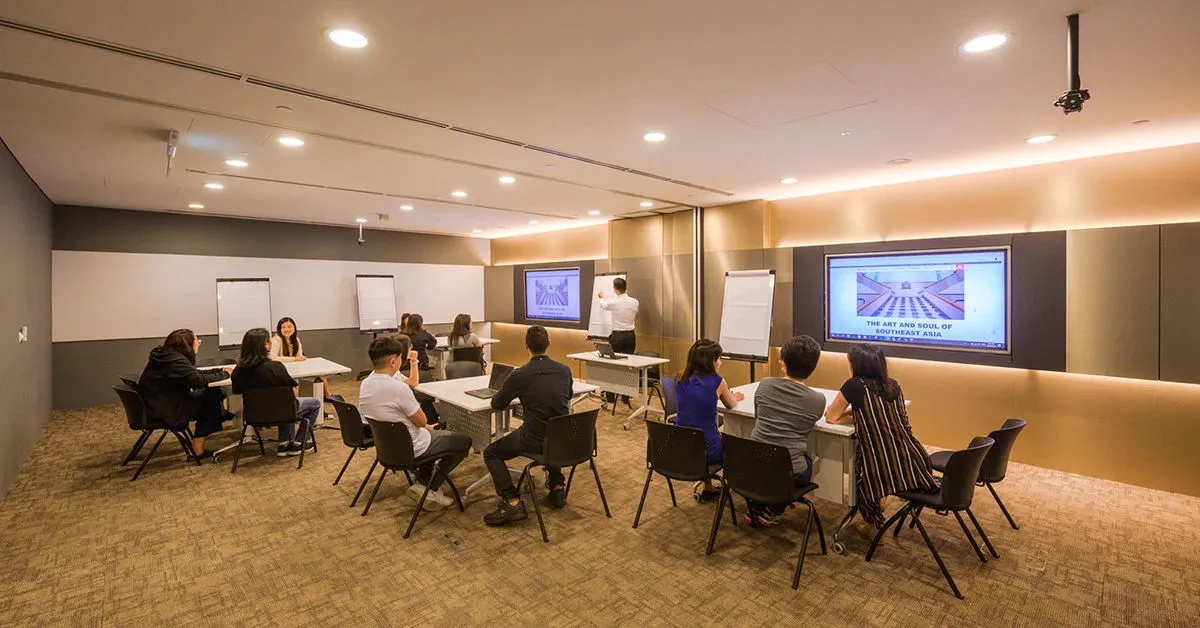
Location and accessibility are equally important. Choose a venue that is easy to reach by public transport, offers clear wayfinding, and provides on-site amenities such as registration areas, breakout spaces, and restrooms. For full-day seminars, consider catering options and the convenience of nearby dining.
Once your venue is confirmed, you can begin coordinating the logistical elements. This includes managing registration, arranging seating layouts, coordinating equipment, and ensuring smooth movement for attendees and speakers throughout the event.
Start with your registration process. Decide whether you will use an online registration platform, manual RSVPs, or corporate internal sign-ups. Ensure attendees receive timely confirmations, reminders, and any pre-event materials they need.
Next, finalise your room setup and technical requirements. Work with the venue or your AV partner to plan stage layout, screen placement, lighting, microphones, and sound checks. If your seminar includes multiple sessions or breakout groups, map out how attendees will move between spaces and how to guide them.
If the seminar runs for several hours, plan for refreshments, breaks, and comfort needs. This could include coffee stations, lunch arrangements, or simply ensuring sufficient space for networking.
Speakers play a central role in shaping the quality and credibility of your seminar.
Begin by identifying presenters who have the expertise and communication style suited to your objectives and audience. This may include internal subject-matter experts, industry leaders, trainers, or external consultants.
Once speakers are confirmed, manage their requirements early to ensure consistent and well-prepared presentations. Provide a clear briefing on the seminar’s goals, audience profile, and expected outcomes. Share guidelines on slide design, content structure, and timing so all presentations align with the agenda.

Coordinate any technical needs such as microphones, clickers, video playback, or live demos. If speakers are presenting remotely or delivering hybrid content, schedule connectivity tests to eliminate potential issues.
Rehearsals are strongly recommended, especially for multi-speaker seminars. A run-through allows presenters to familiarise themselves with the venue or platform and coordinate with your team.
Effective promotion is essential to attracting the right participants and achieving your desired attendance. Identify the most suitable channels for your target audience. These may include email campaigns, social media, industry networks, partnerships, or internal communications for corporate seminars.
Craft a clear value proposition that explains why the seminar matters and what attendees will gain. Keep your messaging aligned with the objectives you established earlier, and highlight key elements such as speaker credibility or exclusive insights.
Where appropriate, create a simple landing page or event listing to consolidate details and streamline registration.
Timing also plays a significant role. Launch your marketing early enough to build momentum, and use reminders to drive conversions. For public seminars, consider early-bird offers or limited-seat messaging to encourage prompt sign-ups.
Finally, monitor performance as registrations come in. Tracking metrics such as open rates, click-through rates, and sign-up sources helps refine your approach and promotional efforts.
Well-prepared materials help reinforce your content and create a more organised experience for attendees. Start by identifying the resources required for your seminar format, including presentation slides, handouts, worksheets, case studies, reference documents, name tags, or signage.
Ensure all presentation slides are consistent in style, easy to read, and aligned with your seminar objectives. If multiple speakers are involved, provide a template to maintain visual coherence. For printed materials, finalise content early to allow time for proofreading and production.
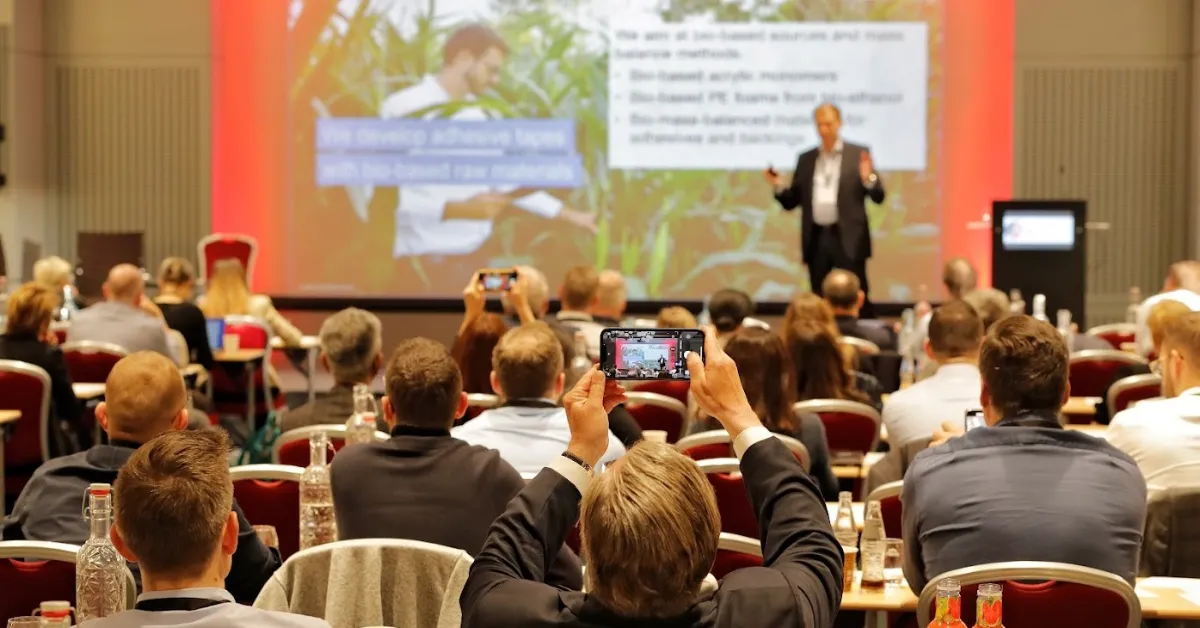
Digital assets are equally important. Prepare files for playback, videos, QR codes for downloads, and any interactive tools you plan to use. Test all media in advance to prevent compatibility issues with the venue’s equipment.
In addition, consider what materials your team will need on the day, such as registration lists, feedback forms, run sheets, or briefing documents. These resources help coordinators stay organised and ensure that every session flows smoothly.
A well-planned seminar still requires precise coordination on the day to ensure everything runs seamlessly.
Arrive early with your team to oversee setup, conduct technical checks, and confirm that seating, signage, registration, and AV equipment are ready. A brief run-through with speakers and facilitators is also useful to reinforce timing, transitions, and any last-minute updates.
Assign clear roles to your event-day team, such as registration support, speaker liaison, and technical coordinator, so everyone knows where to focus their attention. This helps keep communication efficient and allows you to resolve issues quickly.
During the seminar, monitor the agenda closely. Keep sessions running on time, support speakers as needed, and ensure attendees are comfortable throughout. If your event includes Q&A, group discussions, or interactive segments, guide these activities to maintain flow and engagement.
Smooth execution is largely the result of strong preparation and proactive oversight. When handled well, the seminar feels organised, professional, and effortless from the attendee’s perspective.
Your seminar does not end when the last session concludes. Post-event follow-up is essential for maintaining attendee engagement and assessing overall effectiveness.
Begin by sending a thank-you message to participants, along with any promised resources such as presentation slides, supplementary materials, or certificates of attendance.
Collect feedback through surveys or evaluation forms to understand what worked well and where improvements can be made. Ask about content relevance, speaker performance, logistics, and overall satisfaction. This information is invaluable for refining future seminars and demonstrating impact to stakeholders.
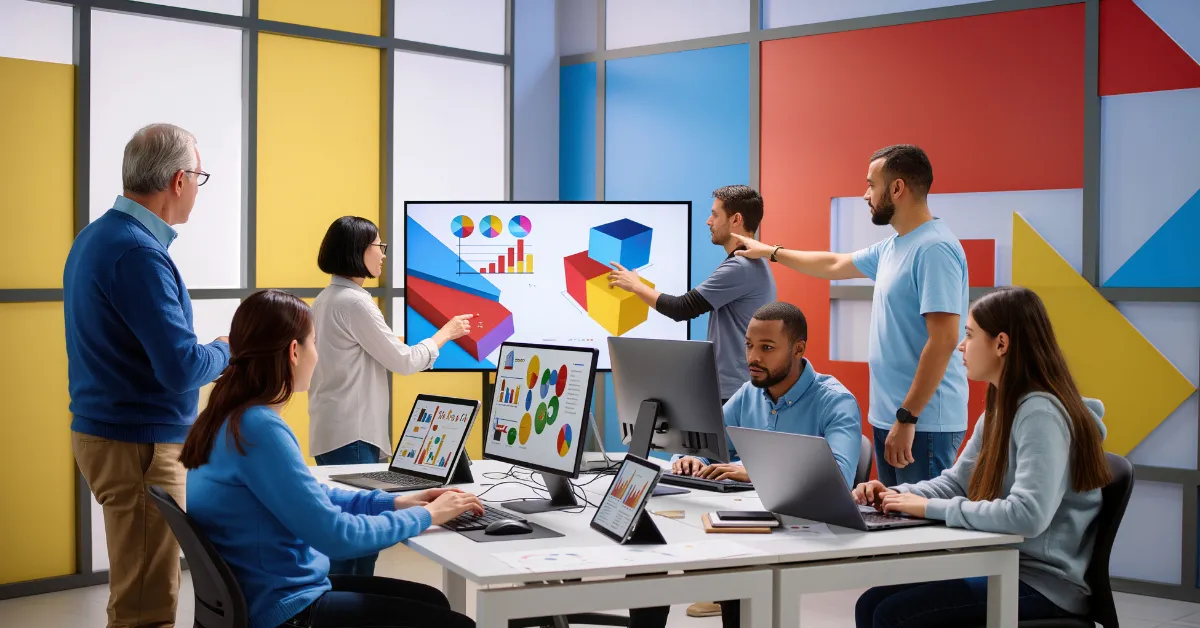
Next, review your performance metrics. Depending on your objectives, this may include attendance rates, engagement levels, survey scores, marketing conversion data, or internal outcomes. Compare these results with the objectives you defined at the beginning of the planning process.
Document key insights in a short post-event report. This not only helps your team improve future events but also provides clear evidence to leadership or clients.
Even well-prepared planners can encounter difficulties during the seminar planning process. Being aware of these challenges in advance helps you anticipate issues and prevent disruptions:

Even with a solid process in place, experienced planners rely on a set of proven techniques to increase efficiency and minimise risk. The following professional tips can help you deliver a more refined and seamless seminar:
These professional practices enhance your operational control and help deliver a seminar that feels cohesive and efficient.
While many aspects of seminar planning can be handled internally, certain situations call for the expertise of a professional event team. Large or complex seminars, hybrid formats, high-profile speakers, or intricate technical setups can quickly become difficult to manage without dedicated specialists.
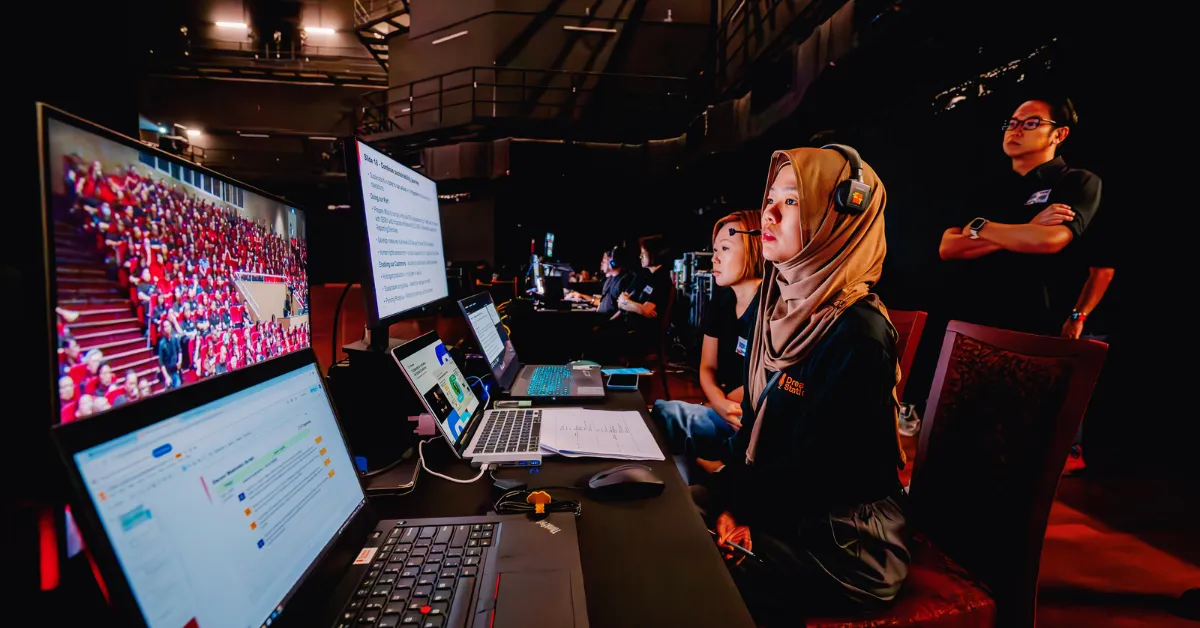
Engaging a professional team ensures seamless coordination, reliable AV and production support, and a polished experience for attendees. Professional teams also help when timelines are tight or internal resources are limited.
At Dream Station, our seminar management services combine technical expertise, logistical know-how, and creative solutions to help you deliver seminars that run smoothly and engage your participants.
Effective seminar planning is a combination of clear objectives, careful logistics, and meticulous execution. By following a structured approach, you can deliver a seminar that is both impactful and professionally executed.
While careful planning can take you far, partnering with experienced seminar planning team can elevate your seminar even further. With our end-to-end support, we’ll ensure your seminar runs smoothly and leaves a lasting impression on your attendees.



We’ll get back to you as fast as we can with availability and next steps.
"*" indicates required fields

Hong Kong
Vietnam
Philippines
Singapore
Thailand
Japan
UAE
Egypt
China
South korea
Malaysia

OUR GLOBAL PRESENCE